How to Travel Cheap in Europe (2026)

The cheapest way to travel in Europe in 2026 comes down to five habits: go in shoulder season instead of July and August, treat budget airline headline fares with suspicion and compare them against buses and night trains, book apartments for stays of four nights or more, eat your main meal at lunchtime, and choose cities where your money simply buys more, Porto over Paris, Krakow over London. None of this needs luck or loyalty points. Stack the five habits together and a ten-day trip can cost less than a careless long weekend. The sixth habit happens before you pack: knowing how much trip money your ordinary months quietly leak, something one bank statement shows better than a year of vague guilt.
Timing: shoulder season, midweek flights and honest booking
The single biggest lever is when you go. Late April to early June and mid-September to late October give you most of the good weather with a fraction of the crowds, and flight and room prices drop because fewer people are competing for them. July and August are peak season almost everywhere in Europe, and anything overlapping school holidays or big local festivals costs more. Shifting a flexible trip by two or three weeks often saves more than any coupon.
Within the week, Tuesday and Wednesday departures are frequently cheaper than Friday and Sunday, because leisure travellers crowd the weekends and airlines price accordingly. It is a demand pattern, not a law, so check the whole week in a flexible-dates view before you commit.
On booking timing, be sceptical of magic rules. There is no secret day when airlines unlock hidden fares. Prices move with demand, so the only reliable approach is boring: watch your route with price alerts until you know what normal looks like, then book when a fare drops clearly below it. Flexibility on dates and airports beats every timing trick.
Transport: budget airlines, bag-fee traps, night trains and buses
Budget carriers like Ryanair, Wizz Air and easyJet can move you between countries for the price of a restaurant dinner, but the headline fare is only the opening bid. A cabin bag, a checked bag, seat selection, airport check-in and priority boarding can double or triple the real price. The defence is simple:
- Read the baggage rules before you pay, not at the gate. Every airline defines the free personal item differently, down to the centimetre.
- Pack into the free small bag if you possibly can. A week in Europe fits in a well-packed backpack, especially if your apartment has a washing machine.
- Add any bags at booking. The same bag added at the airport or the gate is usually the most expensive version of itself.
- Count the airport transfer. Some budget routes land at secondary airports far from the city, and the bus or train into town can erase the saving.
For medium distances, look at rail and road before you look at the sky. Night trains have been making a quiet comeback across Europe, and a couchette ticket pays for transport and a night’s accommodation at once: fall asleep in one capital, wake up in another, no airport at either end. Long-distance buses like FlixBus are slower but often cheapest for hops of a few hours. Planning many long legs? Price a rail pass, national or Interrail, against buying tickets one by one. Passes only win when used heavily, so do the arithmetic for your real route.
Sleep cheaper: apartments, private hostel rooms and house-sitting
For stays of four nights or more, an apartment usually beats a hotel twice over. Weekly rates are often discounted, and a kitchen quietly saves you money at every breakfast and half your dinners. Two people splitting a small apartment with a stove almost always spend less than the same two in a mid-range hotel eating out daily.
For shorter stops, look at private rooms in hostels. You get a door that locks and your own bed for far less than a hotel, plus a shared kitchen and a lobby full of people who know where the cheap food is.
And if your dates are flexible and you like animals, house-sitting deserves a mention: you look after someone’s home and pets while they travel, and your accommodation costs nothing. Building a trusted profile takes time and you go where the sits are, but for slow travellers it can delete the biggest line in the budget.
Eat like a local, not like a tourist
Food is where a day in Europe gets expensive without you noticing. The fix is to eat on the local schedule. Across the continent, restaurants sell a fixed-price lunch that is dramatically cheaper than the same kitchen at dinner: the menu del dia in Spain, the plat du jour in France, the pranzo di lavoro in Italy, the obedove menu in Slovakia. Make lunch your main restaurant meal and you eat the same food for a fraction of the evening price.
Fill the rest of the day from markets and supermarkets. A market hall breakfast of bread, cheese, fruit and coffee costs a fraction of a hotel buffet and tastes like the country you came to see.
Then apply the one-splurge rule: in each city, pick one meal that is genuinely worth spending on, the seafood place the locals queue for, the cellar restaurant someone recommended, and keep everything else simple. You will remember the one great dinner far longer than five average ones. And if a restaurant on the main square shows photo menus in six languages, walk two streets; prices drop and the food usually improves.
Free culture is everywhere if you plan for it
Europe hands out an astonishing amount of culture for free, but only to people who check ahead. Many state museums have free days or free evening hours, often the first Sunday of the month, so lining your visit up with the right day can save a family a serious sum. Tip-based walking tours run in almost every major city; you pay what the tour was worth to you.
Beyond that, remember what is free by default: churches and cathedrals that would be the star attraction anywhere else, city parks, viewpoints, street markets and getting lost in an old town. In many cities the best hours of a trip cost exactly nothing.
Pick cities where your euro works harder
The same trip has wildly different prices depending on where you point it. The logic is easiest to see in one comparison: Porto gives you tiled facades, river views, remarkable food and wine at prices that make Paris look like a luxury tax on the same latitude. Neither city is better; one simply charges much more for a coffee, a bed and a museum ticket. Second cities almost always beat capitals: Porto over Lisbon, Ghent over Brussels, Valencia over Barcelona.
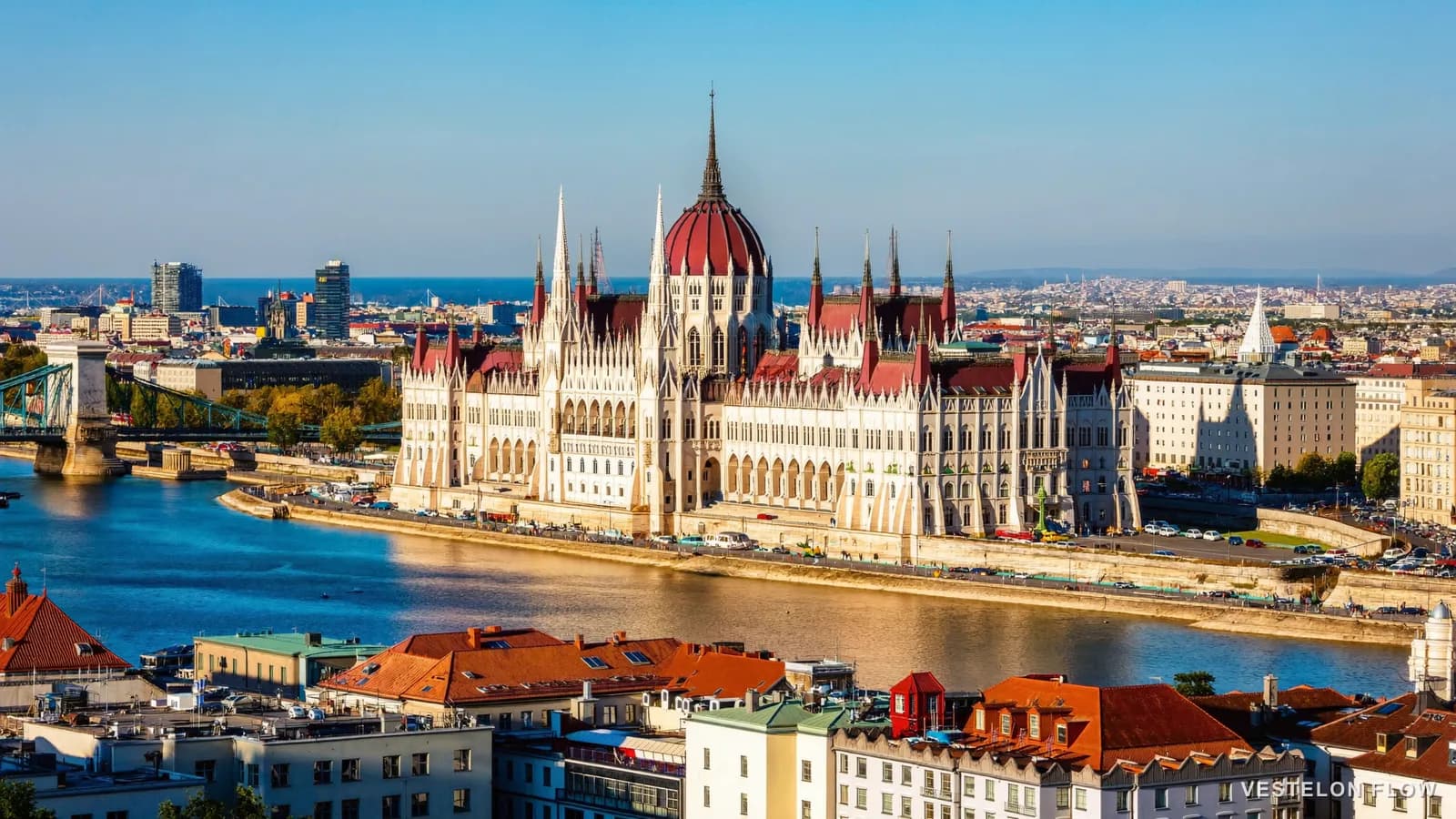
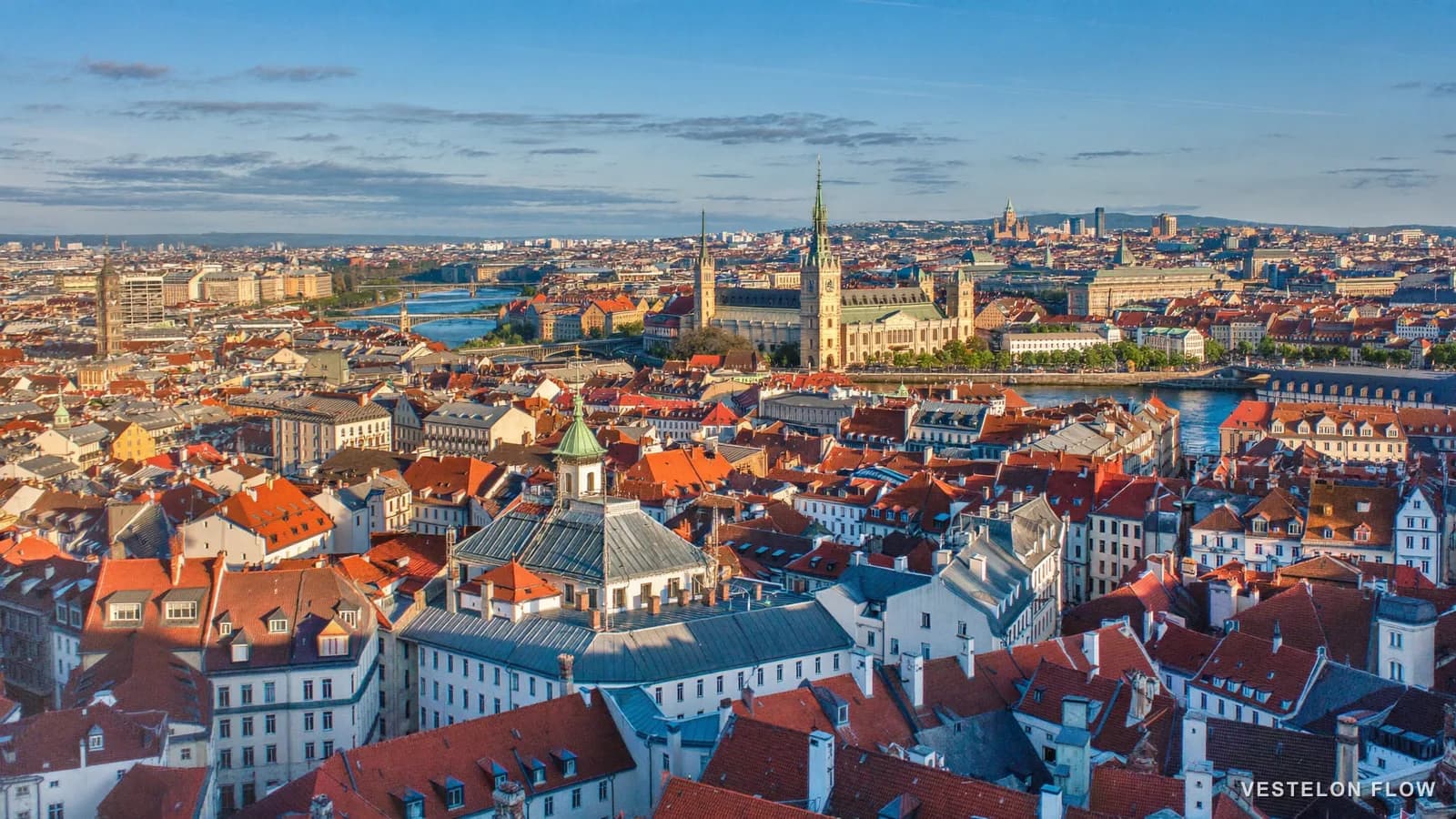
Then there is Central and Eastern Europe, which remains the best value on the continent. Krakow delivers one of Europe’s great old towns with meals and rooms at a fraction of Western prices. Budapest adds thermal baths, ruin bars and grand riverside architecture on a modest daily budget. And yes, Bratislava: an hour from Vienna, with a compact old town, castle views over the Danube and prices that reward anyone willing to skip the obvious capitals. If the goal is more days of travel for the same money, this region is the answer.
The money side: your statement already contains a trip
Here is the part most budget-travel guides skip: the cheapest trip is funded by money you were already spending on nothing. Pull up your last three months of bank statements and read them like a stranger would. Subscriptions you forgot, delivery orders that replaced cooking, small recurring charges that never felt like decisions. If those leaks add up to, say, €100 a month, that is €300 per quarter, which in shoulder-season Central Europe is a real trip: flights or trains, several nights in an apartment, lunch menus and one proper splurge.
Finding those leaks by hand is tedious, which is why most people never do it. VESTELON FLOW does it from a single uploaded bank statement, no bank login, no account linking. It highlights recurring charges and quiet leaks, so you see your realistic trip fund in minutes instead of an evening with a highlighter. The first report is free, which suits the theme of this article.
FAQ: travelling cheap in Europe
What is the cheapest time of year to travel in Europe?
Deep winter, November to March outside the Christmas weeks, has the lowest prices, but shoulder season is the best value overall: late April to early June and mid-September to late October combine decent weather, lower prices and thinner crowds. Avoid July, August and school holidays if price matters.
Are budget airlines really cheaper once you add bags?
Usually yes, if you pack light and add any bags at booking. If you need a full-size checked bag, always compare the total price, bags included, against a regular carrier, a train or a bus, because the gap can shrink to nothing once every fee lands.
How much money do I need per day in Europe?
It depends on the city more than the country count. A hostel-and-lunch-menu traveller spends notably less per day in Krakow, Budapest or Bratislava than in Paris, Amsterdam or Zurich, often around half. Build your estimate from your chosen cities, then check what your spending leaks could cover with a free VESTELON FLOW report.
Upload one bank statement. FLOW shows exactly where your money leaks today, what it is worth once you redirect it, and the year it could set you free. Not another tracker: a plan you can act on.
Get my free reportFree first report · No card needed · No bank login · Delete anytime · GDPR-firstWhat you could tackle next
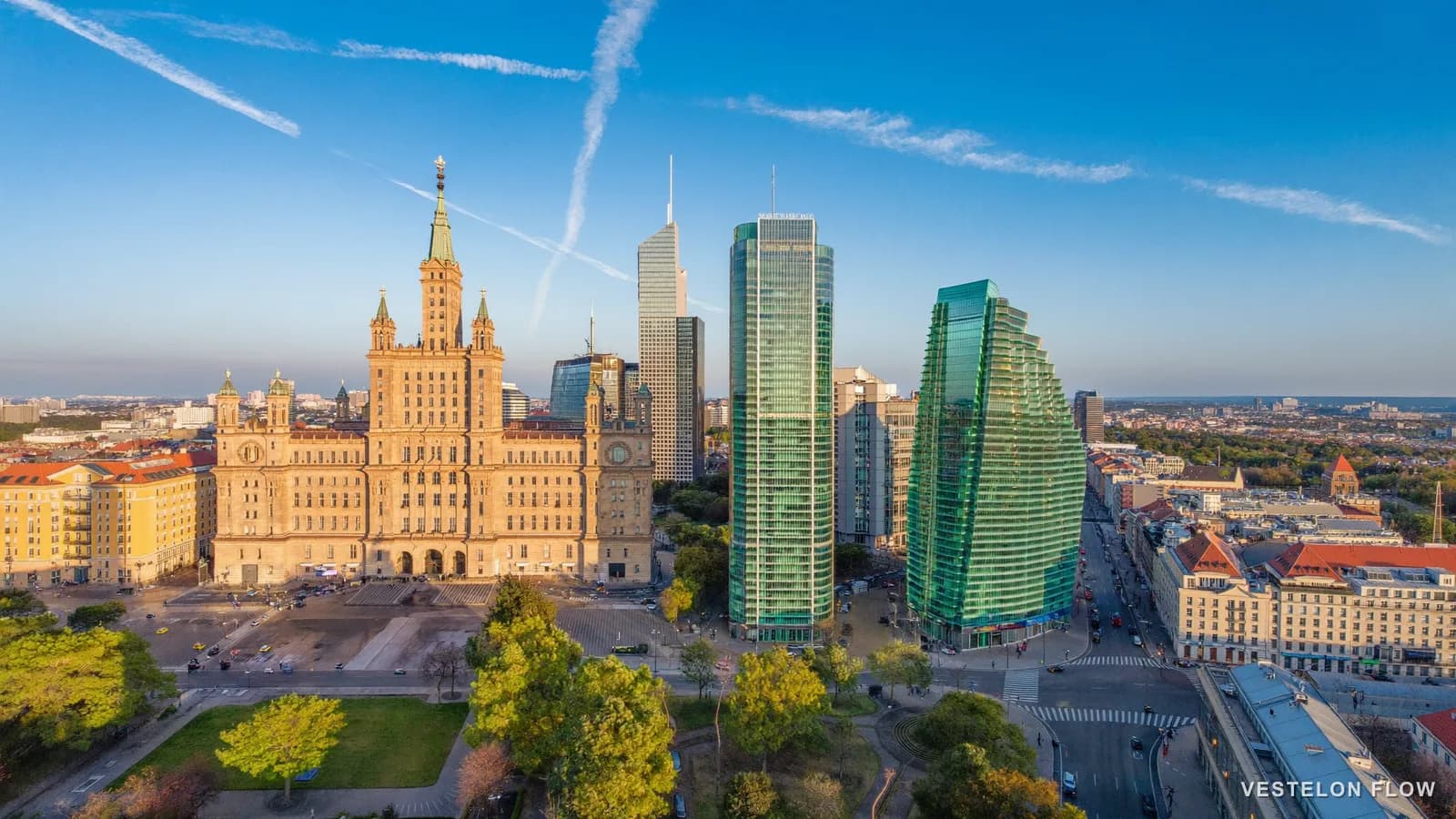 Cost of Living in Warsaw: A Real Monthly Budget
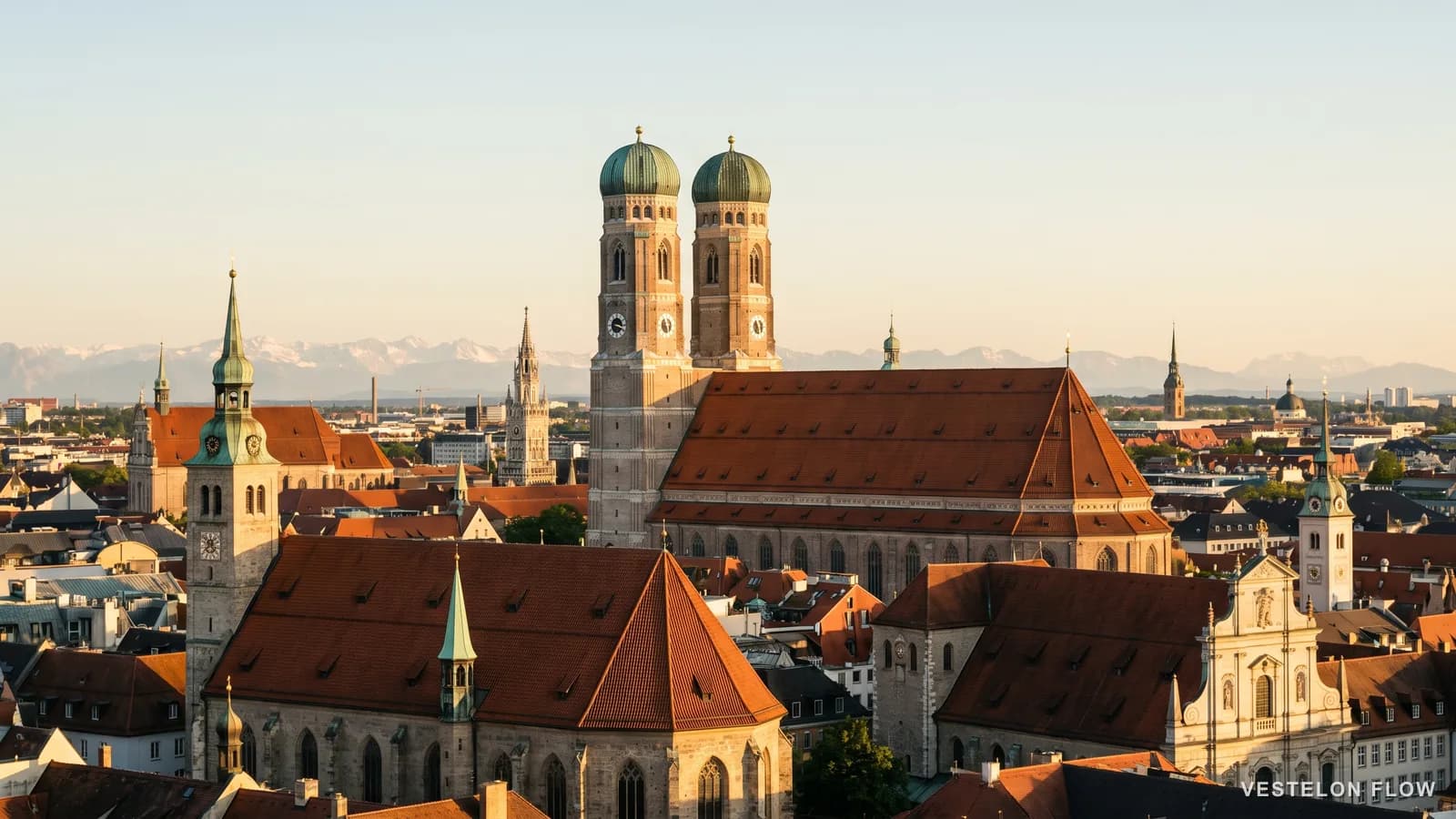 Cost of Living in Munich: A Real Monthly Budget
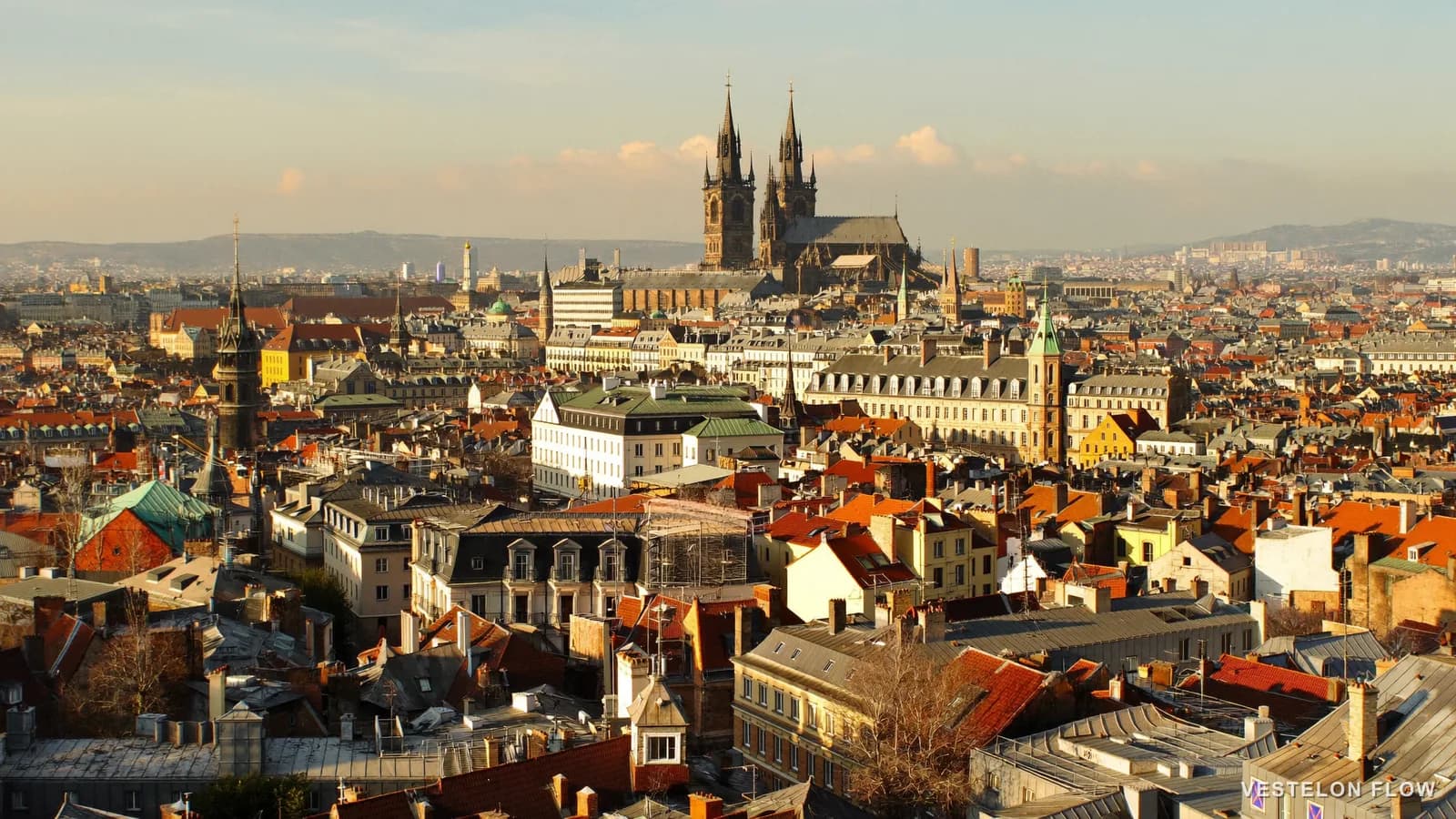 Cost of living in Europe: how cities compare and where your money goes further
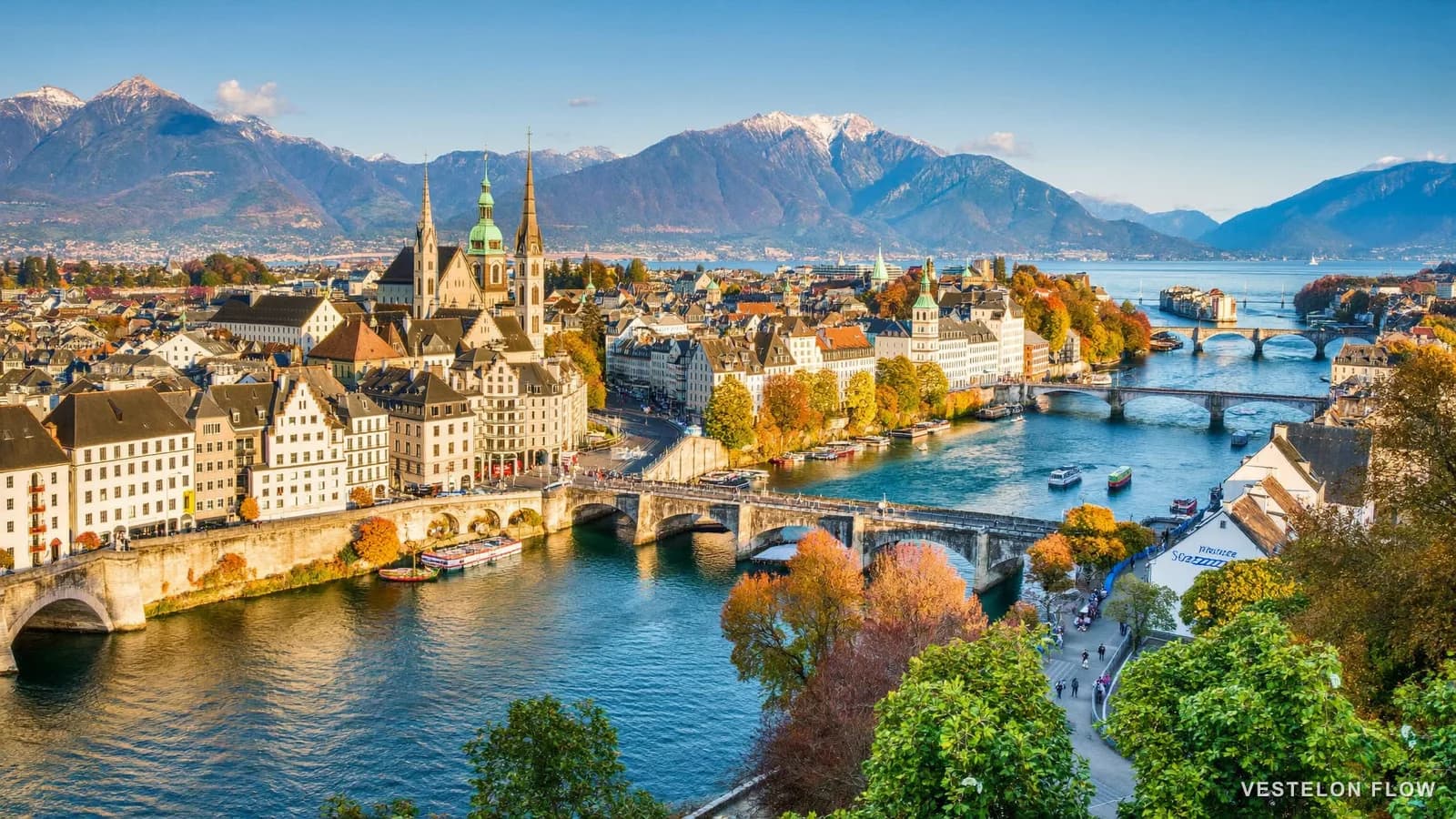 Cost of Living in Zurich: A Real Monthly Budget
 Cost of Living in Budapest: A Real Monthly Budget
 Cost of Living in Central Europe: 5 Capitals Compared