Cost of Living in Warsaw: A Real Monthly Budget
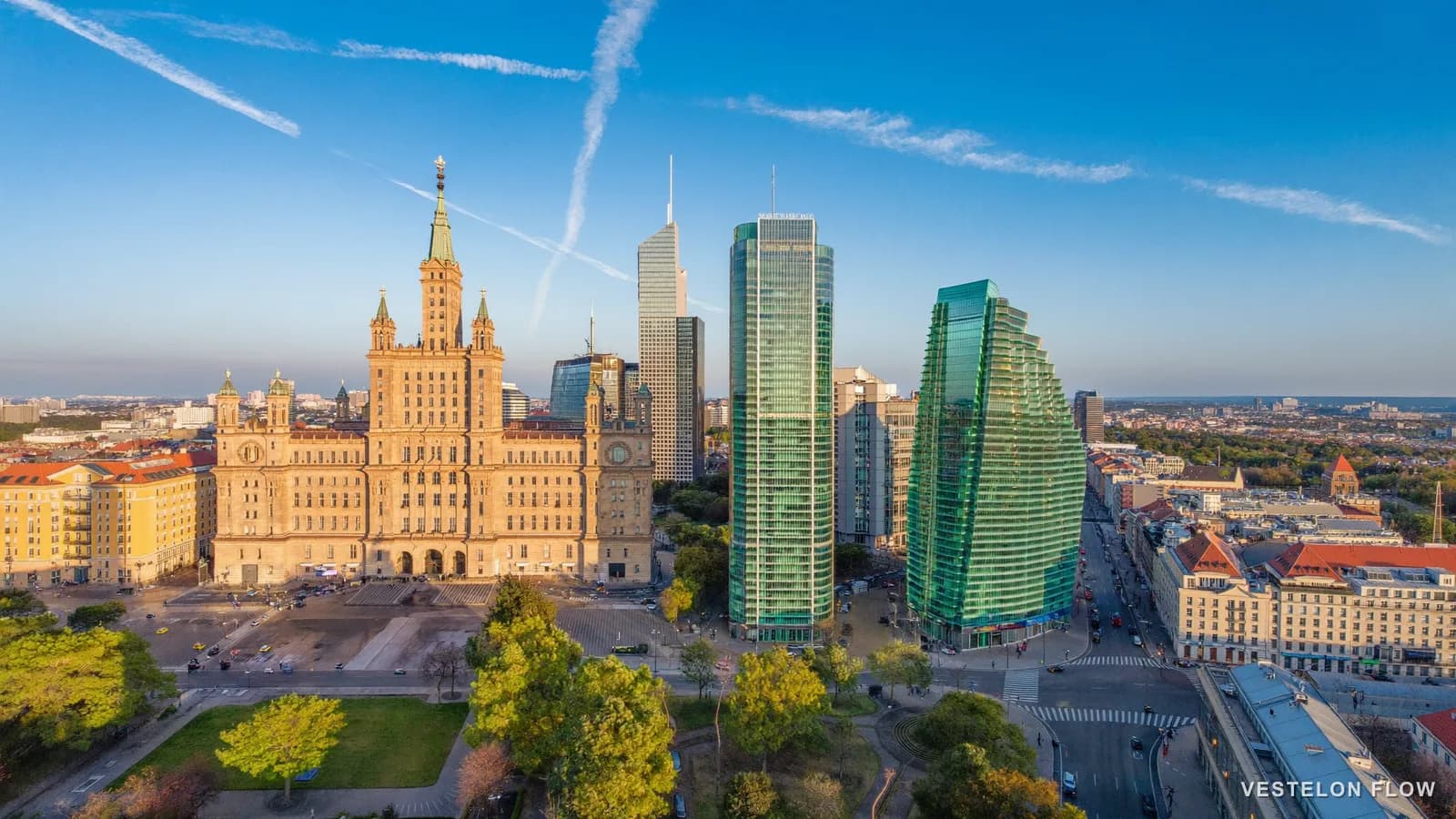
A single person living in Warsaw should budget roughly €1,100 to €1,900 per month as an approximate, all-in range, depending heavily on rent and lifestyle. That is more affordable than most of Western Europe, but Warsaw is a fast-growing capital and prices have been climbing, so the gap is narrowing. Figures below are labelled estimates in euros for comparison; locally you will pay in Polish zloty (PLN).
The big costs in Warsaw
Most of your money in Warsaw goes to a handful of fixed lines. Here are approximate monthly ranges for one person. Treat every number as a ballpark, not a quote.
- Rent, one-bedroom apartment (approx): around €700 to €1,100 in or near the city centre. A bit outside the centre, or a studio, can run €550 to €850. Newer districts like Wola and Mokotow sit at the higher end; further-out neighbourhoods are cheaper.
- Utilities (approx): roughly €150 to €280 for electricity, heating, water and gas, with winter heating pushing the upper end. Many older blocks have higher heating bills than newer buildings.
- Internet and mobile (approx): around €15 to €35 combined. Poland has cheap, fast mobile data by European standards.
- Groceries (approx): roughly €200 to €350 for one person who cooks at home most days. Discount chains like Biedronka and Lidl keep this manageable.
- Public transport (approx): a monthly travel pass is around €25 to €35. Warsaw has an extensive metro, tram and bus network, so most residents skip a car.
- Eating out and coffee (approx): a casual meal is roughly €7 to €14, a mid-range dinner for two around €35 to €55, and a coffee around €3 to €4. This category is where budgets quietly stretch.
A realistic monthly total
Stack the fixed lines and a modest lifestyle together and you land in the €1,100 to €1,900 range for one person. A careful renter sharing a flat or living a little outside the centre might keep things near €900 to €1,200. Someone renting a central one-bed alone, eating out several times a week and using taxis can pass €2,000 without trying. Couples sharing rent and bills usually find their per-person cost drops noticeably.
Warsaw: more affordable than the West, but rising
Warsaw remains clearly cheaper than London, Paris, Amsterdam or Munich, especially on rent, transport and groceries. That is a real advantage if you earn in euros or work remotely. The honest caveat: it is a fast-growing capital with a strong tech and business sector, so rents and restaurant prices have risen meaningfully in recent years. The Warsaw of today costs more than the Warsaw of five years ago, and that trend is not slowing. Budget for the city you are moving to, not the cheap reputation it used to have.
How to make a Warsaw budget work
The mechanics are simple, even if the discipline is not.
- Know your real cashflow first. Before optimising anything, find out what actually leaves your account each month. Most people underestimate the small recurring stuff, the food delivery, the subscriptions, the weekend rounds, by a wide margin.
- Attack the largest fixed cost. In Warsaw that is almost always rent. Choosing a district one metro stop further out, or sharing, moves more money than cutting twenty small things. Fix the big number once and it pays you back every month.
- Keep a buffer measured in survival months. Do not think in a single emergency figure. Think in months: if your income stopped today, how many months could your savings cover your Warsaw burn? Three to six months of buffer turns a bad surprise into an inconvenience instead of a crisis.
How reading one statement shows your true Warsaw burn
You can estimate your costs from a list like this, or you can read them straight from reality. Your bank statement already contains the truth: every rent payment, every utility direct debit, every supermarket run and every late-night taxi. The problem is that nobody reads a statement line by line, so the real number stays hidden.
That is the job VESTELON FLOW does. You upload one statement, with no login, and it instantly reads your cashflow, flags your recurring leaks and estimates how many survival months your current balance buys at your real Warsaw burn rate. Instead of guessing whether you are at €1,200 or €1,800 a month, you see the actual figure and where it goes. Your first report is free, so you can check your true Warsaw burn before you commit to a flat or a budget.
About these numbers
All figures here are approximate ranges expressed in euros for easy comparison, and they will drift with the EUR to PLN exchange rate, your district, the season and your habits. Locally you pay in Polish zloty (PLN). Use these estimates to frame your thinking, then confirm the real number against your own statement rather than treating any range as exact.
FAQ
Is Warsaw expensive to live in? Compared with Western European capitals, no, Warsaw is noticeably cheaper on rent, transport and groceries. Compared with smaller Polish cities, it is the most expensive place in the country. As an approximate guide, one person should plan for roughly €1,100 to €1,900 a month.
How much rent should I budget for a one-bedroom in Warsaw? As a labelled estimate, around €700 to €1,100 for a central one-bed, and roughly €550 to €850 a little outside the centre or for a studio. Rent is your single largest lever, so this is the number to get right first.
Do I need a car in Warsaw? Usually not. The metro, tram and bus network is extensive and a monthly pass is cheap, around €25 to €35, so most residents rely on public transport and the occasional ride-hail rather than owning a car.
Upload one bank statement. FLOW shows exactly where your money leaks today, what it is worth once you redirect it, and the year it could set you free. Not another tracker: a plan you can act on.
Get my free reportFree first report · No card needed · No bank login · Delete anytime · GDPR-firstWhat you could tackle next
 Cost of Living in Berlin: A Real Monthly Budget
 Cost of Living in Munich: A Real Monthly Budget
 Cost of Living in Central Europe: 5 Capitals Compared
 Cost of Living in Zurich: A Real Monthly Budget
 Cost of Living in Budapest: A Real Monthly Budget
 How to Travel Cheap in Europe (2026)