Cost of Living in Munich: A Real Monthly Budget
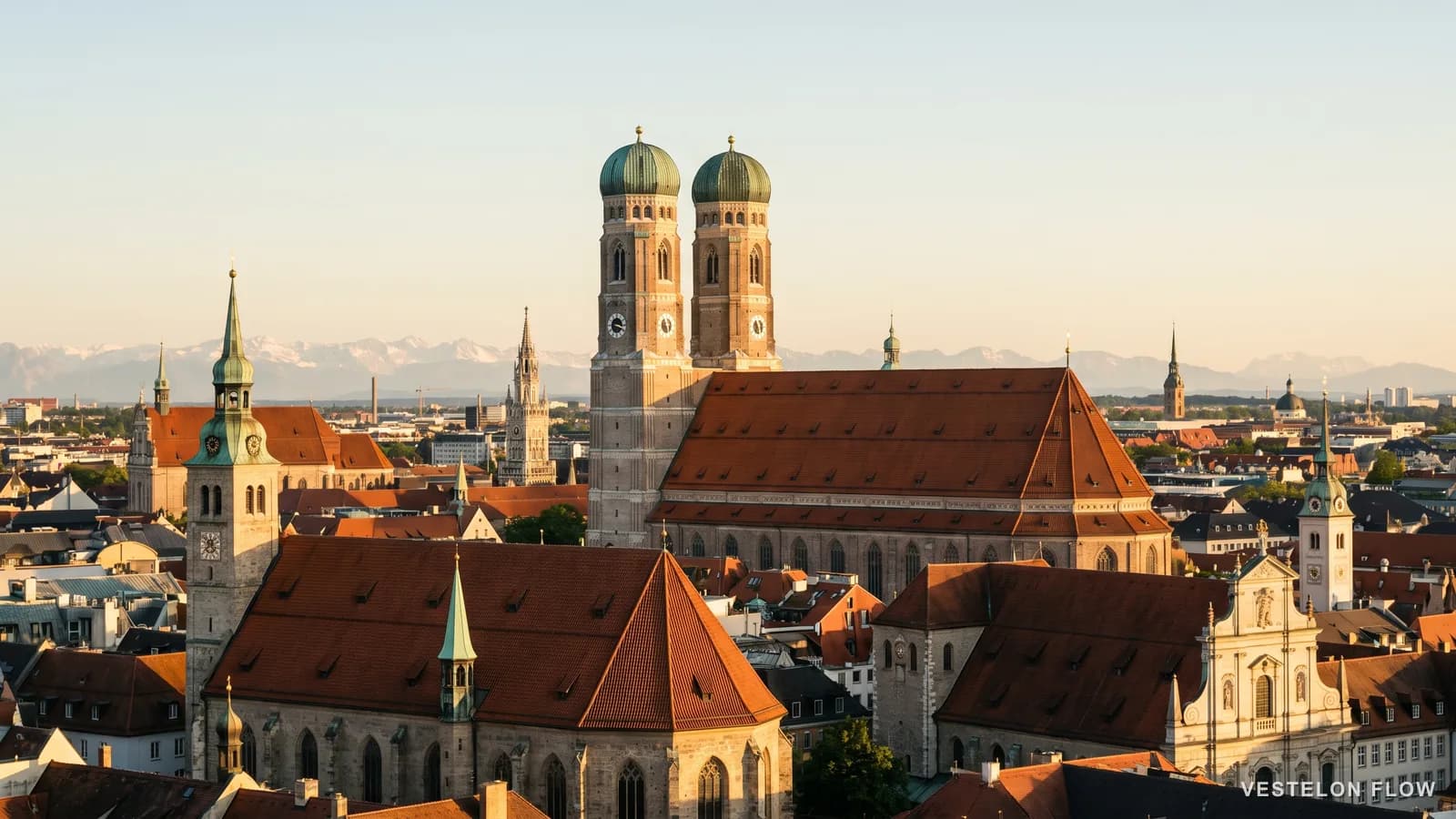
For a single person renting a 1-bed in or around Munich, a realistic all-in monthly budget lands somewhere around €2,200 to €3,400 (approximate, 2026). The single biggest reason that number is so high is rent. Munich is consistently one of Germany’s most expensive cities, and housing is where most of your money goes. The good news is that salaries here tend to be high too, so the real question is not can you afford Munich in the abstract, but what does your own cashflow actually look like once rent and fixed costs are paid.
Rent: the cost that dominates everything
Rent is the line that makes or breaks a Munich budget. For a one-bedroom apartment, expect roughly these approximate ranges per month:
- 1-bed in the city centre: around €1,300 to €2,000 (approximate)
- 1-bed outside the centre or in surrounding towns: around €1,000 to €1,500 (approximate)
- A room in a shared flat (WG): often €600 to €1,000 (approximate)
Two things catch newcomers off guard. First, the difference between Kaltmiete (cold rent, the base figure in listings) and Warmmiete (warm rent, including some running costs). Always check which one a listing quotes. Second, the deposit (Kaution) is usually up to three months of cold rent, paid upfront. On a Munich apartment that can mean several thousand euros gone before you have spent a cent on furniture.
Utilities and Nebenkosten
In Germany, many running costs come bundled into a monthly prepayment called Nebenkosten, which typically covers things like heating, water, building maintenance and rubbish collection. This often runs around €200 to €350 a month (approximate) for a small flat, and is reconciled once a year, so you may owe more or get a small refund.
On top of that, budget separately for:
- Electricity: roughly €40 to €80 a month (approximate) for one person
- Internet: around €30 to €50 a month (approximate)
- Mobile plan: roughly €10 to €40 a month (approximate)
- Public broadcasting fee (Rundfunkbeitrag): a fixed charge per household, currently around €18 a month
Groceries and everyday food
Germany has genuinely affordable supermarkets, so groceries are one area where Munich is kinder to your wallet. A single person who cooks at home usually spends around €250 to €450 a month (approximate), depending on how much you lean on discounters versus organic or specialty shops. Shopping at the cheaper chains and buying seasonal produce keeps you at the lower end of that range.
Transport and the MVV
Munich’s public transport network runs under the MVV, covering U-Bahn, S-Bahn, tram and bus. A monthly pass for the inner zone costs roughly €60 to €90 (approximate), and the nationwide Deutschland-Ticket has been a popular flat-rate option at around €58 a month (approximate, subject to change). If you bike or walk, your transport line can drop close to zero, which is one of the easier wins in a Munich budget.
Eating out and the rest of life
Eating out is where Munich starts to feel expensive again. A casual restaurant meal often runs around €15 to €30 per person (approximate), a beer in a bar might be €5 to €8 (approximate), and a coffee €3.50 to €5 (approximate). None of these are shocking on their own, but a few dinners and weekend drinks a month add up fast. The same goes for gym memberships, hobbies, the occasional flight home and the slow drip of subscriptions. This flexible spending is also exactly where most people lose track of their money.
Typical monthly totals (labelled estimates)
Putting it together, here are rough all-in monthly ranges for a single person, treated as estimates and not promises:
- Lean (shared flat, cooks at home, transit pass): around €1,500 to €2,200 (approximate)
- Comfortable (own 1-bed, some eating out): around €2,400 to €3,200 (approximate)
- Central and social (centre 1-bed, regular dining): around €3,200 to €4,200+ (approximate)
Your real number depends almost entirely on rent and how often you go out. Those two levers move the total far more than groceries or transport ever will.
How to make a Munich budget actually work
Three principles do most of the heavy lifting.
- Know your real cashflow, not your guess. Most people overestimate income stability and underestimate flexible spending. The figure that matters is what actually leaves your account each month, not what you think you spend.
- Attack the largest fixed costs first. In Munich that is rent, full stop. Shaving €200 off rent (a slightly smaller flat, one zone further out, a WG for a year) does more for your budget than cutting groceries ever could. Fix the big number once and it keeps paying off every month.
- Keep a buffer for survival months. The annual Nebenkosten reconciliation, a deposit on a new flat, a tax surprise or a quiet-income month can all hit at once. A buffer of a few months of fixed costs turns those from emergencies into nuisances.
How reading one statement shows your true Munich burn
Budgets built from memory are usually wrong, because the flexible spending that quietly drains a Munich salary is exactly the part people forget. Your bank statement does not forget. Every rent payment, every Nebenkosten prepayment, every MVV top-up, every late dinner and every subscription is already sitting there in black and white.
That is the idea behind VESTELON FLOW. You upload one statement, with no login, and get an instant, plain read of where your money actually goes: your fixed costs, your real flexible spending, and your true monthly burn. Instead of guessing whether Munich is affordable for you, you see it. Your first report is free, so you can check your own numbers against the ranges above before you sign a lease or talk yourself out of one.
About these numbers
All figures here are approximate ranges for a single person in 2026, meant for orientation rather than precision. Rent, utilities, ticket prices and everyday costs shift with the market, your neighbourhood and your habits. Treat these as a starting frame, then read your own statement for the figures that actually apply to you.
FAQ
How much do you need to live comfortably in Munich as a single person? A common comfortable range is around €2,400 to €3,200 a month (approximate) for someone renting their own 1-bed and eating out occasionally. Living in a shared flat and cooking at home can bring that meaningfully lower.
Why is Munich so expensive compared to other German cities? The main driver is housing. Demand for apartments far outstrips supply, so rents sit among the highest in Germany. Other costs like groceries and transport are broadly in line with the rest of the country, but high rent pulls the overall cost of living up.
Do high Munich salaries make up for the high costs? Often yes, since pay in Munich tends to run above the national average. But it varies by person and sector, which is why the honest answer comes from your own cashflow. Read one statement, see your real burn, and compare it to what you bring in.
Upload one bank statement. FLOW shows exactly where your money leaks today, what it is worth once you redirect it, and the year it could set you free. Not another tracker: a plan you can act on.
Get my free reportFree first report · No card needed · No bank login · Delete anytime · GDPR-firstWhat you could tackle next
 Cost of Living in Budapest: A Real Monthly Budget
 Cost of Living in Central Europe: 5 Capitals Compared
 How to Travel Cheap in Europe (2026)
 Cost of Living in Warsaw: A Real Monthly Budget
 Cost of Living in Berlin: A Real Monthly Budget
 Cost of living in Europe: how cities compare and where your money goes further