Cost of Living in Berlin: A Real Monthly Budget
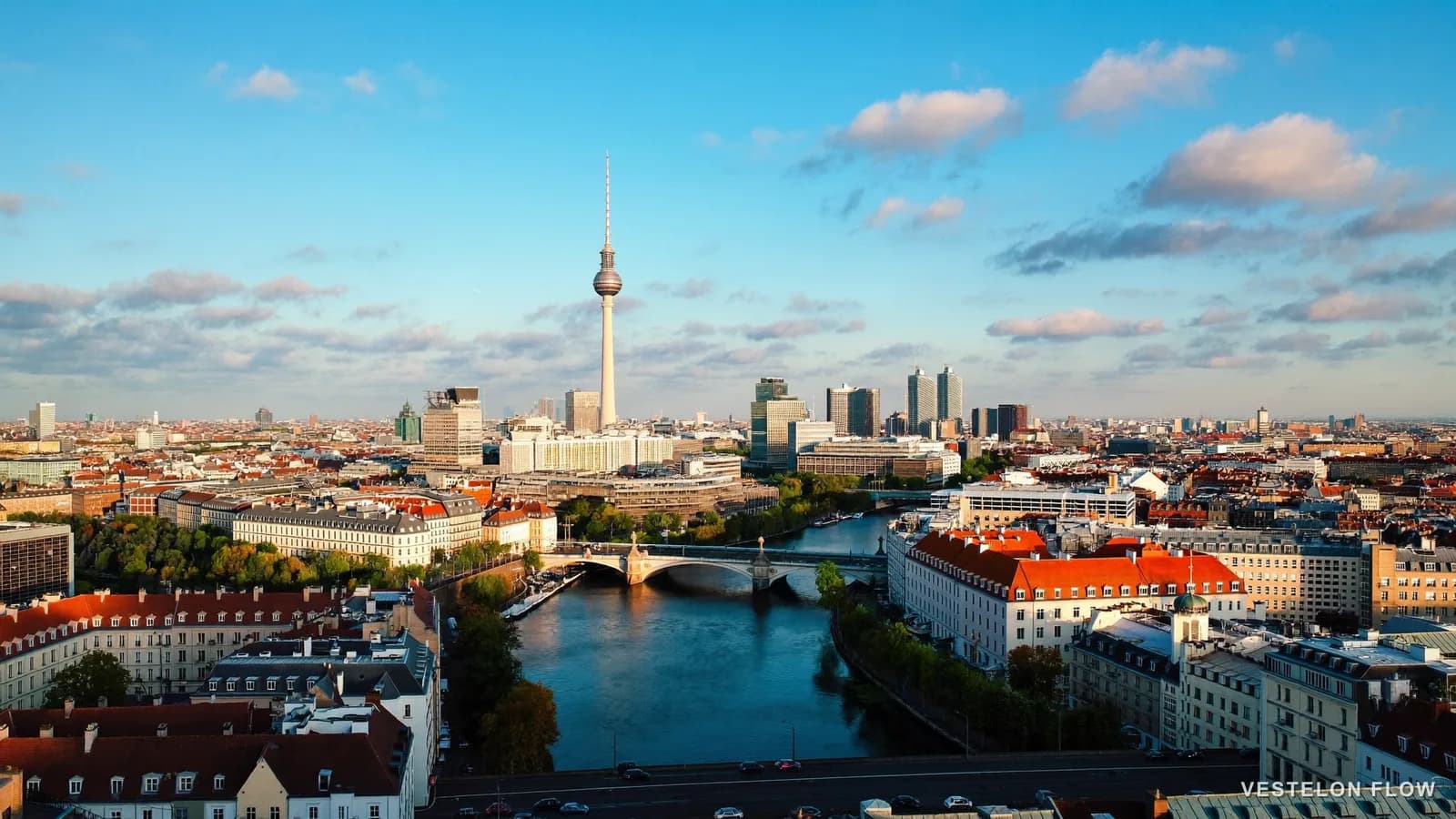
For a single person, the cost of living in Berlin lands at roughly €1,900 to €3,000 per month (approximate) once you add rent, bills, food and transport. The wide spread is honest: where you live, when you signed your lease and how often you eat out can swing the number by hundreds of euros. Below is a practical breakdown in labelled ranges, plus a simple way to find your real Berlin burn instead of guessing from averages.
Rent: the cost that decides everything
Rent is the single line that controls your whole budget in Berlin. For a one-bed or small one-room flat, expect very different numbers depending on the contract:
- Older lease, outer district (approximate): €700 to €1,000 per month cold rent (Kaltmiete).
- New lease, central or popular area (approximate): €1,100 to €1,600+ per month cold rent.
- Furnished short-term flat (approximate): €1,300 to €2,000+ per month, often warm and inclusive.
The catch is that German rent is usually quoted cold. The real figure you pay is the Warmmiete, which adds Nebenkosten on top. Treat any cold-rent number you see in a listing as the start, not the total.
Nebenkosten and utilities
Nebenkosten are the running costs of the flat: heating, water, building maintenance, rubbish and similar. They are often bundled into the Warmmiete, then reconciled once a year, which can mean a surprise back-payment or a small refund.
- Nebenkosten (approximate): €150 to €300 per month for a typical one-room flat, depending on size and heating.
- Electricity, if billed separately (approximate): €40 to €70 per month for one person.
- Internet (approximate): €25 to €45 per month.
- Mobile plan (approximate): €10 to €30 per month.
Remember the Rundfunkbeitrag, the public broadcasting fee, at roughly €18 to €19 per month (approximate) per household. It is easy to forget because it is not optional.
Groceries and everyday food
Berlin is kind to grocery budgets if you shop at discounters like Aldi, Lidl, Netto or Penny. Organic supermarkets and small shops cost noticeably more.
- Groceries, one person, cooking at home (approximate): €200 to €350 per month.
- Same person, lots of convenience food and brands (approximate): €350 to €500 per month.
A weekday bakery coffee runs around €3 to €4 (approximate), and a 0.5l beer in a bar is often €4 to €6 (approximate). Small habits stack up faster than people expect.
Transport: BVG and getting around
Berlin runs on the BVG network of U-Bahn, S-Bahn, trams and buses, and you rarely need a car. The nationwide Deutschlandticket has reshaped transport costs.
- Deutschlandticket monthly (approximate): around €58 per month, covering regional and local public transport across Germany.
- Single BVG ticket (approximate): roughly €3 to €4 per ride.
- Bike, the Berlin classic: mostly free after you buy one, which many residents prefer.
For most single residents, one transport ticket per month is the realistic line item, not a stack of single fares.
Eating out and going out
Berlin still has reasonably priced eating out compared with many capitals, but it has crept up. Plan with ranges rather than one number:
- Doner or street meal (approximate): €6 to €9.
- Casual restaurant main (approximate): €12 to €20.
- Dinner out with drinks (approximate): €30 to €50 per person.
If you eat out a few times a week, this category quietly becomes one of your biggest variable costs, often €200 to €400 per month (approximate).
Putting it together: a labelled monthly total
Here is a rough composite for one person, all figures approximate and meant as estimates, not promises:
- Lean budget (older lease, mostly home cooking): around €1,500 to €1,900 per month.
- Typical budget (newer lease, some eating out): around €2,000 to €2,600 per month.
- Comfortable budget (central flat, regular nights out): around €2,800 to €3,500+ per month.
The honest takeaway is that rent decides which band you fall into before any other choice you make.
Berlin versus Munich, and rents on the move
Berlin has long been the cheaper big city, traditionally well below Munich, which remains Germany’s most expensive major metro. That reputation is still broadly true, but it is fading at the edges. Berlin rents have risen sharply over recent years as demand outpaces new supply, so a flat you could have rented cheaply a few years ago may now sit hundreds of euros higher. The gap with Munich is real but narrower than the old cliche suggests, and new arrivals often feel the difference most because they sign at today’s prices, not yesterday’s.
How to make a Berlin budget actually work
Averages are a starting point, not a plan. Three principles keep a Berlin budget honest:
- Know your real cashflow. Build the budget from what actually left your account last month, not from a rounded estimate. People consistently understate small recurring spending.
- Attack the largest fixed costs first. Rent and Nebenkosten dominate. Trimming €30 off groceries matters far less than choosing a district or lease that is €200 cheaper. Fix the big lines once and the savings repeat every month.
- Keep a buffer for survival months. Berlin throws curveballs: the annual Nebenkosten reconciliation, a deposit on a new flat, a quiet freelance month. A cushion of one to two months of core costs turns a crisis into an inconvenience.
How reading one statement shows your true Berlin burn
The fastest way past guesswork is to look at the evidence you already have: your bank statement. Every euro of rent, Nebenkosten, BVG, groceries and late-night doners is already recorded there. The problem is that a raw statement is hard to read, with hundreds of lines and no structure.
That is exactly what VESTELON FLOW is for. You upload one statement, with no login, and get an instant read of where your money actually goes in Berlin: your true fixed costs, your real spending categories and the surprises hiding in the noise. The first report is free, so you can see your genuine monthly burn before deciding anything. It turns a vague feeling of Berlin is getting expensive into a clear, personal number you can budget around.
About these numbers
Every figure here is an approximate range, not a quoted price. Berlin costs vary by district, lease date, lifestyle and the year you read this, and rents in particular are moving. Use these bands to sanity-check a plan, then replace them with your own real numbers from your own statement as soon as you can. Your actual spending is the only budget that matters.
FAQ
How much does a single person need per month to live in Berlin? As a rough guide, roughly €1,900 to €3,000 per month (approximate) covers a typical single person once rent, bills, food and transport are included. A lean home-cooking lifestyle can sit lower, while a central flat with regular eating out pushes higher.
Is Berlin cheaper than Munich? Generally yes, Berlin is still cheaper than Munich, especially on rent, but the gap has narrowed as Berlin rents have risen fast. New arrivals signing leases at current prices feel less of a discount than the old reputation implies.
What is the difference between Kaltmiete and Warmmiete? Kaltmiete is the cold rent for the flat alone. Warmmiete adds Nebenkosten such as heating and building costs on top. Always budget around the Warmmiete, since that is the figure you actually pay each month.
Upload one bank statement. FLOW shows exactly where your money leaks today, what it is worth once you redirect it, and the year it could set you free. Not another tracker: a plan you can act on.
Get my free reportFree first report · No card needed · No bank login · Delete anytime · GDPR-firstWhat you could tackle next
 Cost of Living in Munich: A Real Monthly Budget
 Cost of Living in Central Europe: 5 Capitals Compared
 Cost of Living in Zurich: A Real Monthly Budget
 Cost of living in Europe: how cities compare and where your money goes further
 Cost of Living in Budapest: A Real Monthly Budget
 Cost of Living in Warsaw: A Real Monthly Budget