Kids Grow Out of Everything: The Second-Hand Playbook
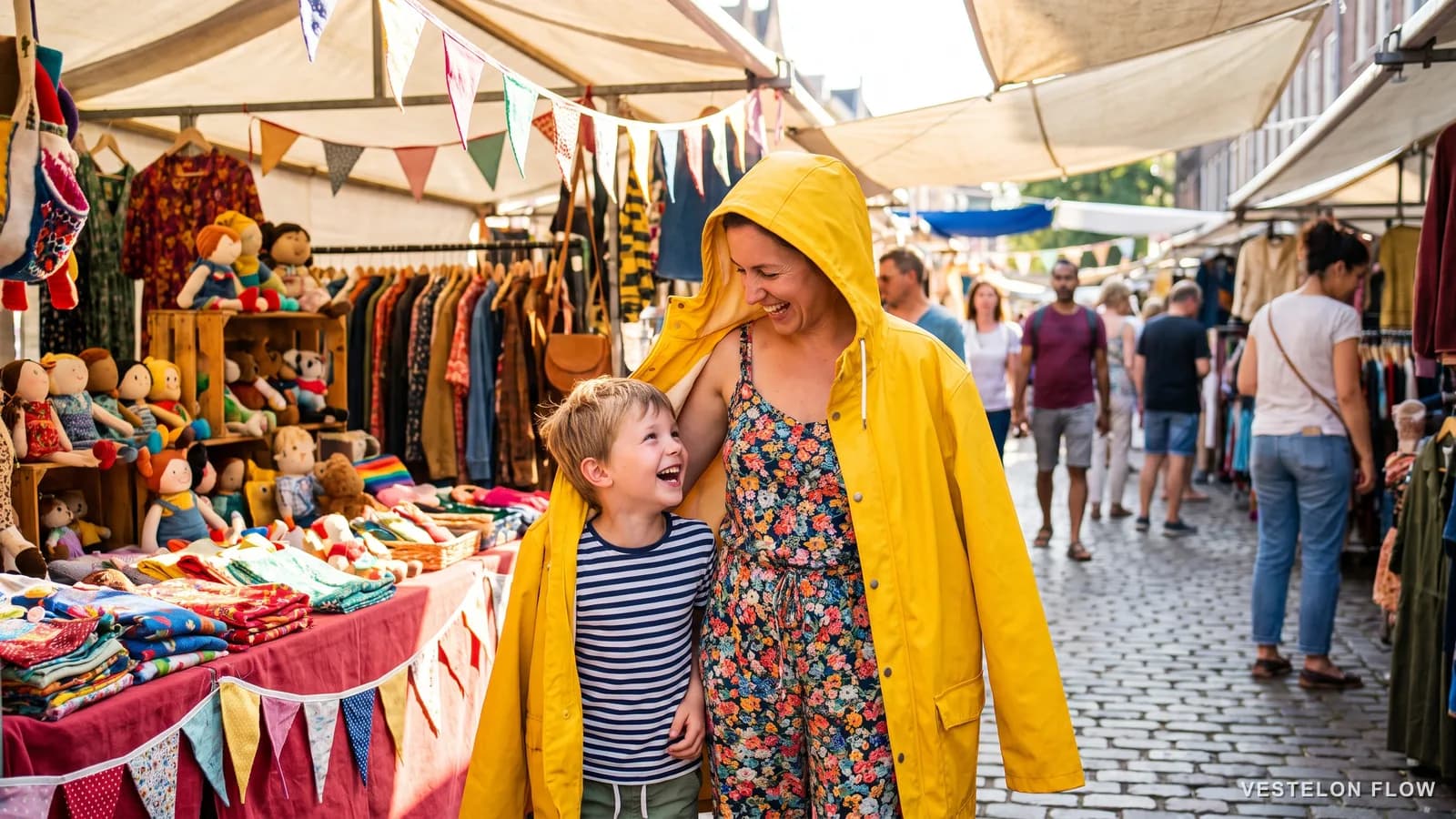
Here is the short version: children outgrow clothes every few months and gear every phase, so most of what you buy for them is used for a fraction of its life. Buying second-hand and reselling when they grow out of it cuts the real cost dramatically, often by 70 to 90 percent, with zero downside for the child. A two-year-old does not know or care whether the jacket is new. The only people the tags impress are other adults, and they are not paying your bills. The rest of this article is the playbook: what to always buy used, the few things to buy new, where to find the good stuff, and how the buy-use-resell loop can bring your net cost close to zero.
Why kids gear is the perfect second-hand market
Most second-hand purchases involve a trade-off: the item is cheaper because it is worn out. Kids gear breaks that rule. A baby wears a bodysuit for eight to twelve weeks before it stops fitting. A balance bike survives two seasons per child. A ski jacket gets fifteen days on snow before the arms are too short. The item is outgrown long before it is used up, which means the second-hand market is full of things at 30 to 50 percent of retail that are functionally almost new.
Multiply that by how much gear a childhood requires: a stroller, a crib, a high chair, a carrier, three sizes of bike, skis or skates, sports kit for every hobby they try for six months, and a complete wardrobe replaced roughly every year until they are ten. Families who buy all of it new spend thousands of euros per child on items with a few months of active service. Families who work the second-hand loop spend a fraction of that on exactly the same childhood.
What to always buy used
Some categories are so reliably outgrown-before-worn that buying them new is close to burning money:
- Strollers and pushchairs. Premium strollers are built to survive multiple children and resell constantly at half price or less. Check the brakes, the folding mechanism and the wheels, then save hundreds of euros.
- Cribs and cots. Solid wood cribs last decades. Buy the frame used, and if it makes you feel better, put a new mattress in it (more on mattresses below).
- Bikes, scooters and balance bikes. Kids need a new size every one to two years. A quality used bike, resold when outgrown, costs almost nothing per season. A cheap new bike is often worse than a good used one.
- Ski and winter sports gear. Skis, boots, helmets and snow suits get days of use per year, not months. Seasonal ski bazaars exist precisely because every parent faces the same problem.
- Occasion outfits. The wedding suit, the christening dress, the formal shoes: worn twice, photographed once, outgrown immediately. This is the single most wasteful category to buy new.
- Toys and books. Children lose interest faster than toys wear out. Lego, wooden train sets and picture books are practically indestructible and circulate for decades.
What to buy new, and why
Honesty matters here, because the second-hand rule has real exceptions:
- Car seats. This is the safety caveat that overrides everything else. A car seat that has been in a crash can have invisible structural damage, and with a used seat from a stranger you cannot verify its history. Unless the seat comes from a close family member whose full history you know, buy car seats new, check the expiry date on the shell, and treat this as non-negotiable.
- Mattresses. Crib and bed mattresses are cheap relative to the frame, and hygiene plus firmness matter for infants. Used frame, new mattress is the standard sensible compromise.
- Shoes: the honest debate. The traditional advice says never buy used shoes because they mould to the first wearer’s gait. The honest version: this matters for daily shoes worn for months, and barely matters for occasion shoes worn twice, rain boots, or ski boots with rigid shells. Buy everyday shoes new (or barely-worn, since many second-hand kids’ shoes were outgrown in weeks), and buy the rarely-worn categories used without guilt.
Everything else, from clothes to furniture to sports equipment, defaults to used first.
Where to actually find it
The supply is enormous; the trick is knowing where it pools:
- Local marketplaces. General platforms like Facebook Marketplace, Vinted or your national classifieds are the everyday workhorse. Search by brand and size, not by generic terms, and set alerts for the next size up.
- Kids-specific swaps and resale groups. Most towns have parent groups that exist purely to circulate outgrown gear. Prices are lower and honesty is higher, because everyone will meet again at the school gate.
- Seasonal bazaars. Ski bazaars in autumn, bike markets in spring, school-organised clothing sales twice a year. These concentrate exactly the right sizes at exactly the right moment, often with volunteers who check quality.
- Family hand-me-down circles. The oldest system is still the best one. Cousins, neighbours and friends with slightly older children are a free, recurring supply line. Join the circle by passing your own outgrown gear onward; the flow tends to come back to you.
The resell loop: how net cost approaches zero
Buying used saves you half. The full playbook saves you nearly everything, and it works like this: buy used, use it, resell it the moment it is outgrown. A premium-brand snowsuit bought second-hand for €40 and resold a season later for €30 cost you €10 for a winter. A quality balance bike bought for €60 and sold for €50 cost you €5 per season. Do this across a whole childhood and the arithmetic is startling: gear that would have cost thousands new ends up costing hundreds, net.
Two rules make the loop work. First, buy recognisable quality brands, because they hold resale value; a no-name item may be cheap to buy but is worth nothing when you sell. Second, sell promptly. Outgrown gear stored in the attic depreciates and gets forgotten. Photograph it the week it stops fitting, list it, and let the money fund the next size.
Buy the next size at the end of the season
Retail has a rhythm you can exploit even when you do buy new. Winter jackets are cheapest in March, swimwear in September, everything is cheapest in the size nobody needs right now. Since children grow predictably, buy the next size at the end of the current season: the winter coat one size up, bought in the spring sale at 60 percent off, fits perfectly when the cold returns. Keep a simple note of each child’s current sizes so an end-of-season bargain or a great second-hand listing never catches you unprepared.
The psychology: your kid does not care (until they do)
Parents project their own feelings onto children who do not share them. A four-year-old has no concept of brands, no memory of price tags, and no preference between new and pre-loved. What they notice is the colour and whether it has a dinosaur on it. The guilt some parents feel about second-hand is entirely adult-generated, and it is worth naming that clearly: dressing a small child second-hand has zero social or developmental downside for the child.
This changes in the teenage years, when clothes become identity. Fighting that is a losing battle; structuring it is not. The move that works: set a fixed clothing budget per season, hand over the responsibility, and let them top it up from their own pocket money if they want the expensive hoodie. They learn budgeting, trade-offs and the real price of brands, and many teens discover vintage and thrift shopping on their own, because second-hand is currently the cheapest way to look different from everyone else.
Quality over quantity: the capsule wardrobe for kids
The final lever is simply owning less. A child needs far fewer clothes than the average drawer contains: roughly a week and a half of everyday outfits, one warm layer, one waterproof layer, one occasion outfit, and shoes for daily wear plus one activity. A small capsule of durable, mix-and-match pieces gets worn constantly, survives to be resold or handed down, and ends the morning fight about what to wear. Twenty cheap items that pill after five washes cost more, per wear, than eight sturdy ones bought second-hand.
Find out what kids gear really costs you
Most families have no idea what their children’s clothes and gear actually cost per year, because the spending arrives as dozens of small, forgettable purchases across supermarkets, online shops and marketplaces. VESTELON FLOW makes the number visible: upload one bank statement, no bank login and no account linking, and it shows what the past months really cost, category by category, including all those €15 purchases that feel like nothing. Your first report is free, and seeing the yearly total is usually the moment the second-hand playbook stops being a nice idea and becomes the obvious move.
Frequently asked questions
Is it safe to buy a used crib or stroller?
Generally yes, with checks. For cribs, confirm the model meets current safety standards, slats are intact and spaced correctly, and hardware is complete; add a new mattress. For strollers, test brakes, harness and the folding lock. The one category to treat differently is car seats: buy those new unless you personally know the seat’s full history.
How much can a family realistically save with the second-hand loop?
Families who buy mostly new typically spend several hundred to over a thousand euros per child per year on clothes and gear. Buying second-hand roughly halves that, and reselling outgrown items claws back much of the rest, so a net saving of 60 to 80 percent is realistic. Run your own statement through VESTELON FLOW to see your actual baseline before and after.
What sells best when my child outgrows things?
Recognisable brands in good condition: premium strollers, quality bikes, ski gear, branded outerwear and classic toys like Lego or wooden sets. Sell in-season or just before it (ski gear in autumn, bikes in spring), include clear photos and the size, and price at 40 to 60 percent of retail for fast turnover.
Upload one bank statement. FLOW shows exactly where your money leaks today, what it is worth once you redirect it, and the year it could set you free. Not another tracker: a plan you can act on.
Get my free reportFree first report · No card needed · No bank login · Delete anytime · GDPR-firstWhat you could tackle next
 How to Save €10,000 in a Year (Without Living on Rice)
 How Long Until a 3-Month Emergency Fund? The Complete Model Table
 The Only Money Habits With Real Evidence Behind Them
 Pay Yourself First: The Simplest Way to Actually Save
 Sinking Funds Explained: Never Be Surprised by a Bill Again
 What Is a Good Savings Rate? (And How to Get There)