The real cost of living in Sydney: a monthly money guide
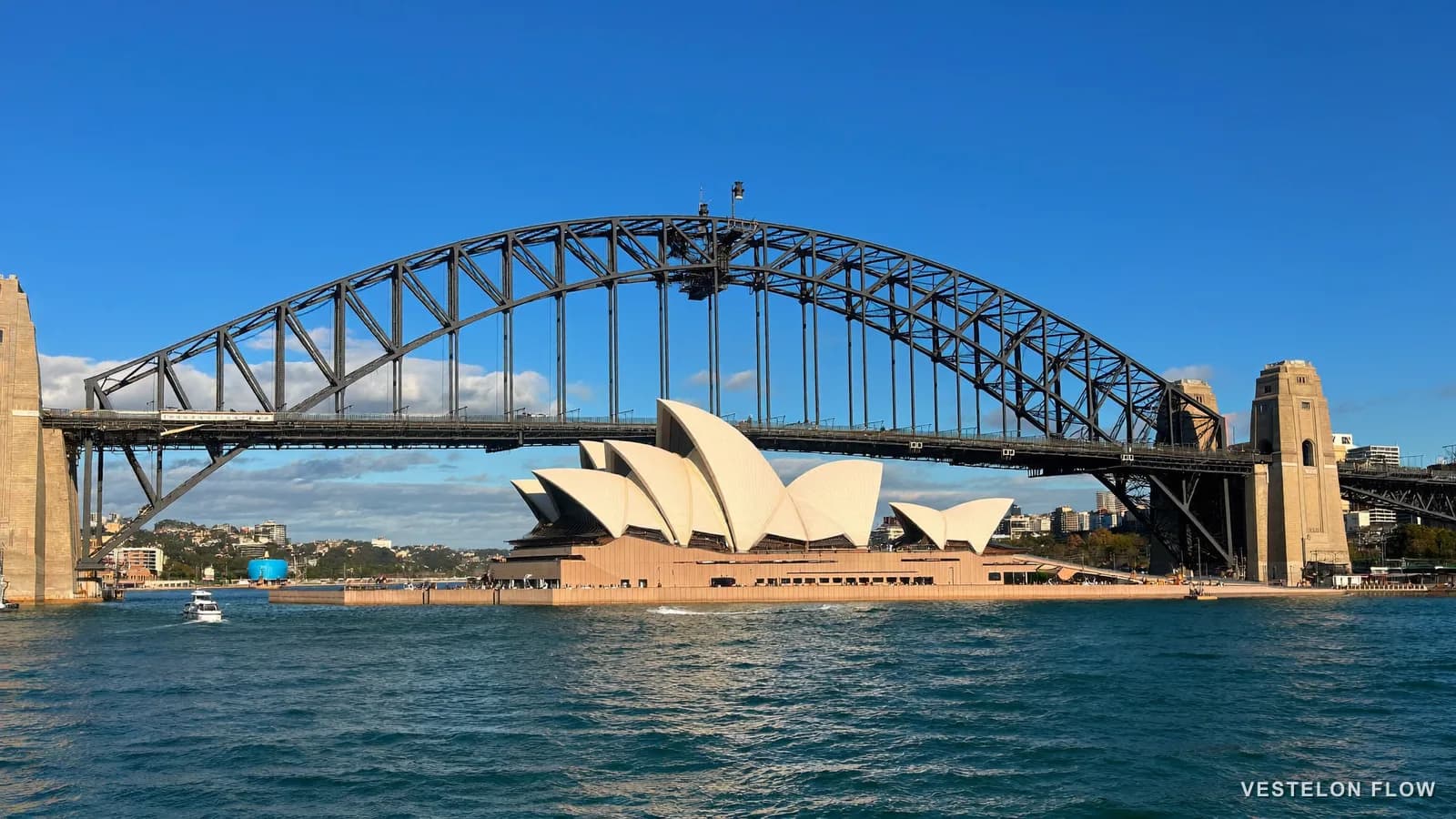
Sydney is glorious, and Sydney is expensive. It is routinely Australia’s priciest city, and the gap between what you earn and what you keep can be brutal if you do not watch it. Whether you are a local feeling the squeeze, a newcomer from interstate, or an expat just off the plane, the question is the same: where does the money actually go each month? Here is an honest, line-by-line picture in AUD, with sample budgets and a few ways to keep more of your pay.
Rent: the line that hurts most
Rent is the single biggest cost in Sydney, and where you live changes everything. A one-bedroom flat in the inner city or the eastern suburbs (think Surry Hills, Bondi, Newtown) can run A$2,600 to A$3,400 a month. Move to the inner west or lower north shore and you might land A$2,200 to A$2,800. Head out to Parramatta, the Hills or the outer suburbs and a one-bedroom can drop to A$1,800 to A$2,400. Sharing a house cuts your slice to roughly A$1,100 to A$1,700 a room. Budget for a bond too: typically four weeks’ rent up front, held in the NSW Rental Bond Board, plus two weeks in advance. On a A$650-a-week place that is over A$3,800 before you have bought a single fork.
Transport: Opal and the car question
Most Sydneysiders tap on with an Opal card or a linked card. Daily fares are capped, and there is a weekly cap (around A$50) plus cheaper Sunday travel, so a commuter who travels most days lands near A$160 to A$220 a month on trains, buses and ferries. Run a car instead and the picture shifts: petrol alone is often A$200 to A$320 a month, before rego, compulsory CTP green slip, comprehensive insurance, servicing and Sydney’s many tolls, which can quietly add A$150 or more a month if you cross the harbour or use the motorways daily.
Groceries and eating out
Feeding one person from Coles, Woolworths or Aldi runs roughly A$450 to A$700 a month if you cook most nights, more if you lean on convenience. Dining out is where Sydney budgets quietly bleed: a flat white is A$5 to A$6, a casual lunch A$18 to A$28, and a sit-down dinner for two with a drink each easily passes A$120. A couple of brunches and a few delivery orders a week can add A$300 to A$500 a month without you noticing.
Power, water and the rest of the bills
Electricity and gas for one person typically land around A$120 to A$220 a month, higher in winter or through a humid summer of air conditioning. Water is often part of rent for flats but can add A$30 to A$60 if billed separately. A mobile plan with decent data is A$30 to A$55 a month, and home internet runs A$70 to A$95 for a solid NBN connection.
Private health, and the things people forget
Medicare covers a lot, but many earners take private hospital cover to dodge the Medicare Levy Surcharge, and that is A$110 to A$200 a month for a single. Add the easy-to-forget extras: gym (A$60 to A$100), streaming stacks (A$50 to A$80), the occasional Opal top-up for a weekend out, and a few buy-now-pay-later instalments, and you have a category that swallows A$250 to A$400 a month almost invisibly.
Sample monthly budgets in AUD
Rough, illustrative figures for a single person, then a couple sharing costs. Yours will vary by suburb and lifestyle.
- Single, modest (share house, Opal, cook at home): rent A$1,400, transport A$180, groceries A$500, bills A$300, health and extras A$250. Roughly A$2,630 a month before fun money.
- Single, comfortable (own one-bed inner ring): rent A$2,900, transport A$220, groceries A$650, bills A$380, health and extras A$450, plus A$500 dining and leisure. Roughly A$5,100 a month.
- Couple, modest (one-bed outer suburb, one car shared): rent A$2,200, transport A$350, groceries A$900, bills A$420, health and extras A$400. Roughly A$4,270 a month.
- Couple, comfortable (two-bed inner west): rent A$3,600, transport A$400, groceries A$1,100, bills A$500, health and extras A$700, plus A$700 dining and leisure. Roughly A$7,000 a month.
How to keep more of your Sydney pay
You cannot make Sydney cheap, but you can stop it leaking.
- Attack rent first, because it is the biggest lever. One suburb out, or one extra share-house mate, can free A$400 to A$800 a month. Always negotiate at renewal rather than letting the agent set the increase.
- Use the Opal caps deliberately. Cluster errands and big trips into the same week to hit the weekly cap, and lean on cheaper Sunday travel. For many, ditching the car and toll bills entirely beats the convenience.
- Cook on weeknights, dine out on purpose. Keep restaurants and delivery for things worth it, not default Tuesdays. A weekly shop list beats three small top-up trips that quietly cost more.
- Audit subscriptions and bills every quarter. Compare power and internet plans (NSW lets you switch easily), drop the streaming services you forgot, and check your private health is the right tier, not the dearest.
- Find the silent leaks. The forgotten free trial that started charging, the gym you stopped using, the insurance that crept up at renewal. These are the costs you can cut without changing your life at all.
That last point is where most of the easy money hides. VESTELON FLOW reads a single bank statement and shows you exactly which recurring charges are draining your account, then forecasts how redirecting that money moves your path to financial freedom. No bank login, no spreadsheet, and your first report is free.
Sydney will always ask a lot of your income. The least it can do is let you see where every dollar goes.
Upload one bank statement. FLOW shows exactly where your money leaks today, what it is worth once you redirect it, and the year it could set you free. Not another tracker: a plan you can act on.
Get my free reportFree first report · No card needed · No bank login · Delete anytime · GDPR-firstWhat you could tackle next
 The real cost of living in Australia: a monthly breakdown
 How Much a Child Costs in Czechia: Preschool, After-School Care, Lunches and Camps
 How to Lower Your Energy Bill: What Actually Moves the Number
 The True Cost of Owning a Car (It’s Not the Fuel)
 How to Save Money on Groceries (Without Eating Worse)
 The real cost of living in Shenzhen: a tech-city money guide