The real cost of living in Shanghai: a monthly money guide
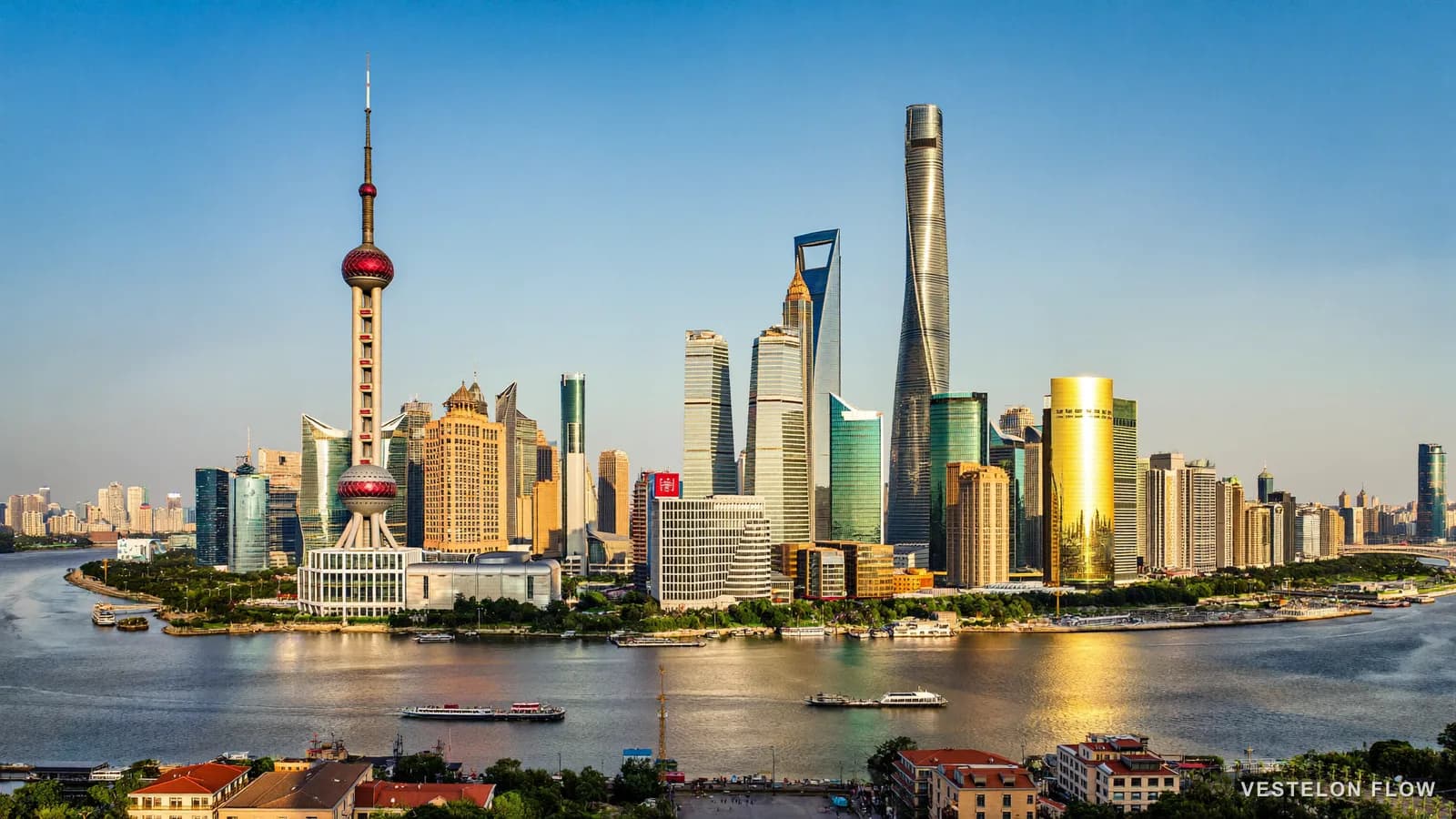
Shanghai promises a lot: a skyline that looks like the future, a salary you could not earn back home, and a life that swings between dumpling stalls and rooftop bars. What nobody tells you on arrival is how quietly the city drains an account. As China’s most expensive tier-1 city and its biggest finance hub, Shanghai can be lived on a modest budget or an eye-watering one, often on the same street. The gap is mostly choices, not luck.
This is an honest monthly picture in CNY (¥, also written RMB), for one person and for a couple, at a modest and a comfortable level. The numbers are illustrative ranges, not promises, but they are close enough to plan around.
Rent: the line that decides everything
Rent is the single biggest lever in your Shanghai budget, and where you live changes the number more than how nicely you live. A room in a shared flat in an outer district can run ¥2,500 to ¥4,500 a month. A one-bedroom in residential Puxi areas like Jing’an, Xuhui or Changning tends to land around ¥6,000 to ¥11,000. Step into a serviced or international compound in central Pudong near Lujiazui, the finance district, and a comparable one-bedroom often starts at ¥12,000 and climbs well past ¥20,000.
Two rules quietly shape the bill. Agent fees usually add 35 percent of one month’s rent, and most landlords ask for a deposit plus several months upfront, so your move-in cash is far higher than the monthly figure suggests.
Food and dining: the widest range in the city
No part of Shanghai life stretches further than food. A bowl of noodles or a local lunch set can be ¥20 to ¥40. Cook from wet markets and supermarkets and a single person can eat well on ¥1,500 to ¥2,500 a month. Lean on imported groceries and Western restaurants and that same person spends ¥4,000 to ¥7,000 without trying. A weekend brunch in a smart cafe can quietly cost what three days of local eating would.
Getting around: the metro is the bargain
Transport is where Shanghai stays kind. The metro is fast, vast and cheap, with most rides ¥3 to ¥9 and a heavy commuter rarely topping ¥300 a month. Ride-hailing and taxis sit around ¥30 to ¥80 per trip, so habits matter more than distance. Owning a car is a different world: a Shanghai licence plate alone can cost the price of a small car at auction, which is why most residents simply never buy one.
Utilities, phone and the home extras
Electricity, water and gas for a one-bedroom typically run ¥300 to ¥800 a month, swinging higher in summer when the air conditioning never rests. Broadband adds ¥100 to ¥200, and a generous mobile plan is ¥50 to ¥150. None of these break a budget alone, but together with the streaming and app subscriptions almost everyone forgets, they form the quiet layer that adds up.
Schooling: the expat budget changer
For families, this line rewrites everything. International schools in Shanghai are among the most expensive in Asia, with annual tuition commonly ¥200,000 to ¥350,000 per child. Bilingual private schools sit lower but still meaningful. Many expat packages once covered this; fewer do now, so it has become the question that decides whether a Shanghai posting works financially at all.
A sample monthly budget
- One person, modest: roughly ¥9,000 to ¥13,000. Shared or outer-district flat, mostly local food, metro everywhere, few imported habits.
- One person, comfortable: roughly ¥18,000 to ¥28,000. Central one-bedroom, mix of local and Western dining, occasional taxis, gym and social life.
- Couple, modest: roughly ¥14,000 to ¥20,000. One-bedroom in a residential area, shared groceries, mostly local lifestyle.
- Couple, comfortable: roughly ¥28,000 to ¥45,000 and up. Central or Pudong flat, regular dining out, travel, and a wider cushion, before any schooling.
The pattern is clear. In Shanghai, the comfortable life is not twice the modest one, it is three to four times, and almost all of that gap lives in rent, dining and the international lifestyle you choose to keep.
How to keep more of it
- Treat rent as the whole game. Moving one metro stop out, or from Pudong finance towers to residential Puxi, can save ¥3,000 to ¥6,000 a month, more than any other single decision.
- Default to local, reserve imported for treats. Eating and shopping the way the city does, not the way the airport lounge did, is the fastest way to halve a food bill without feeling poorer.
- Live on the metro. Build your home and routine around a line and ride-hailing becomes the exception, not the habit, quietly saving ¥1,000 or more a month.
- Audit the silent subscriptions. VPNs, streaming, apps and memberships pile up fast for newcomers. The ones you forgot are pure recoverable cash.
- Watch the currency edges. If part of your money lives abroad, transfer fees and poor exchange rates quietly skim every month. Consolidate and time transfers deliberately.
None of this asks you to live small in a big city. It asks you to see clearly where the money actually goes, because in a place this expensive, the leaks hide in plain sight. That is the work VESTELON FLOW does for you: from a single bank statement it surfaces the recurring charges, forgotten subscriptions and quiet waste eating your Shanghai salary, and forecasts what keeping that money instead does for your path to financial freedom.
Shanghai will always be expensive. Whether it is worth it depends entirely on how much of your money stays yours.
Upload one bank statement. FLOW shows exactly where your money leaks today, what it is worth once you redirect it, and the year it could set you free. Not another tracker: a plan you can act on.
Get my free reportFree first report · No card needed · No bank login · Delete anytime · GDPR-firstWhat you could tackle next
 The real cost of living in Chongqing: a monthly money guide
 The real cost of living in Shenzhen: a tech-city money guide
 Cost of Living in Central Europe: 5 Capitals Compared
 The real cost of living in New York City: a monthly money guide
 The real cost of living in London: a monthly budget that adds up
 Listed vs real: how much cheaper flats actually sell for (2026)