The real cost of living in Shenzhen: a tech-city money guide
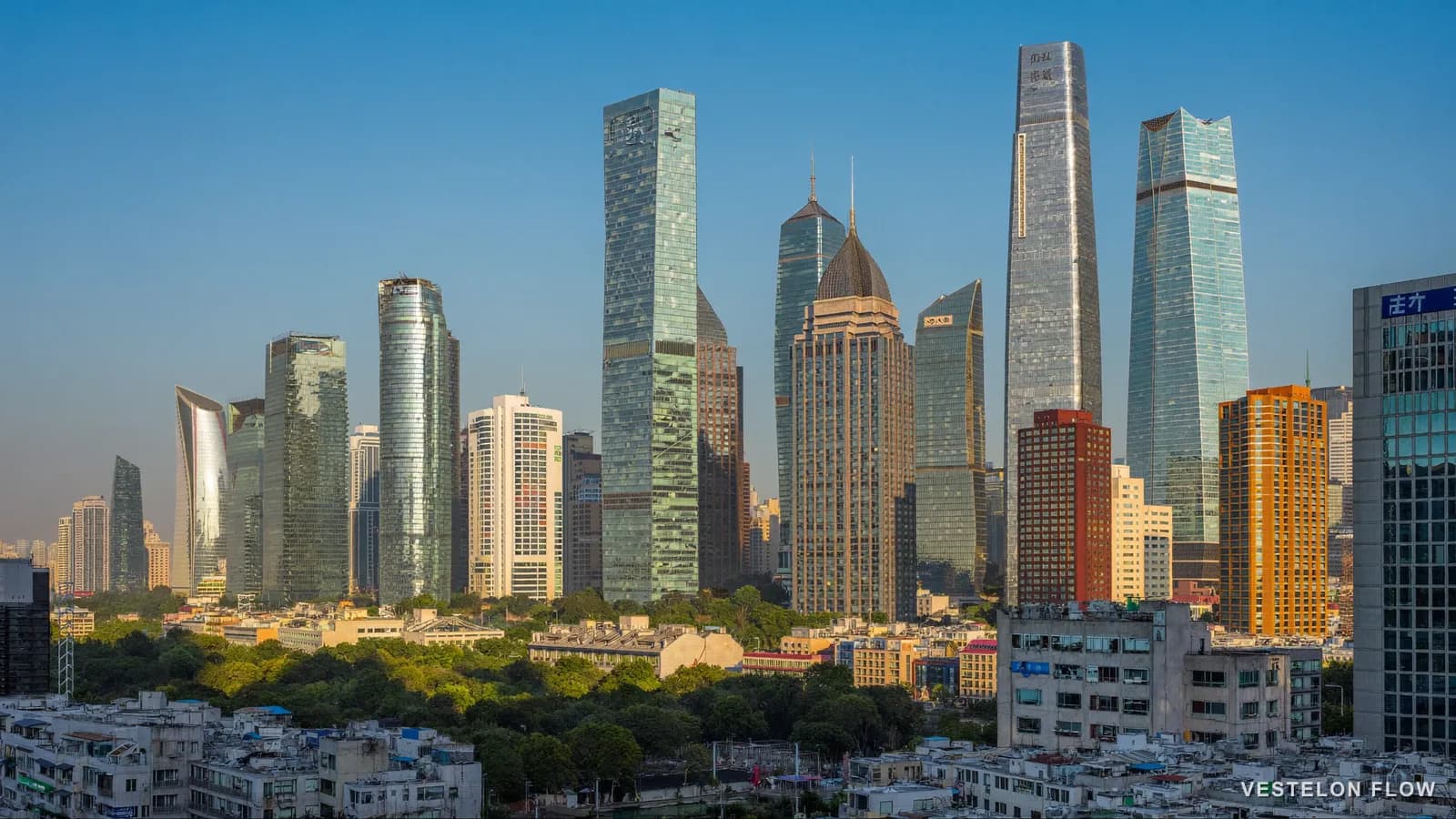
Shenzhen is China’s youngest big city and its fastest. A fishing village four decades ago, it is now a tech metropolis pressed up against Hong Kong, full of hardware startups, gig couriers and twenty-somethings chasing an offer letter. The salaries can be excellent, especially in tech. The catch is that the city spends as fast as it pays, and a strong income here leaks in ways that are easy to miss until you add them up.
This is an honest monthly picture in CNY (¥ / RMB), with illustrative ranges rather than invented precision. Numbers move with your district, your habits and the year. Use them as a frame, then check yours against reality.
Rent: the number that sets everything else
Rent is the single biggest line and it swings hard by district. A room in a shared flat in an outer area like Longgang or Bao’an might run ¥1,500 to ¥3,000 a month. A modest one-bedroom further out sits around ¥3,000 to ¥5,000. Move into Nanshan or Futian, close to the tech campuses and the metro, and a comparable one-bedroom climbs to ¥6,000 to ¥10,000 or more. Add a deposit of two to three months and an agent fee, and the move-in cost alone can swallow a first paycheck.
The pattern is simple: every metro stop closer to work costs you, and the newer the building the steeper the jump. Many people trade a longer commute for hundreds of yuan saved each month.
Food: cheap if you eat local, fast if you do not
Eating is where Shenzhen feels generous. A bowl of noodles or a canteen lunch can be ¥15 to ¥30. Cook at home and groceries for one might land at ¥1,000 to ¥1,800 a month. But this is also where a tech salary quietly drains: delivery apps, bubble tea at ¥18 a cup, late-night barbecue, weekend brunch in a mall. A casual restaurant meal runs ¥40 to ¥80, and a nicer dinner out can clear ¥150 a head. The gap between cooking and ordering is often ¥1,500 or more a month.
Getting around: the metro is your friend
The Shenzhen metro is fast, clean and cheap. Most single rides cost ¥2 to ¥9, so a commuter often spends only ¥150 to ¥300 a month on transit. Add the occasional Didi at ¥20 to ¥50 a trip and the total stays modest. A car is the opposite: a plate, parking, fuel and tolls turn transport into a major line. For most newcomers, skipping the car is the easiest big saving in the city.
Utilities and connectivity
Electricity, water and gas for one person typically run ¥200 to ¥500 a month, spiking in summer when the air conditioning fights Shenzhen’s heat and humidity. Home broadband is roughly ¥100 to ¥200, and a mobile plan ¥50 to ¥150. None of these are large alone, but bundled subscriptions and auto-renewals hide here, and they rarely get reviewed once set up.
Lifestyle: where the tech-pay leak lives
This is the category that separates a comfortable month from a stressful one. Gym memberships, app subscriptions, cosmetics, gadgets, weekend trips to Hong Kong, and the steady pull of livestream shopping all add up. Lifestyle creep is almost a local sport: pay rises, and spending quietly rises to meet it. A ¥200 dinner here, a ¥1,000 gadget there, and a raise vanishes before it ever reaches savings.
A sample monthly budget
Here is a rough shape for one person, then for a couple sharing costs. Modest means an outer district and home cooking; comfortable means a central flat and eating out often.
- One person, modest: rent ¥3,000, food ¥1,800, transport ¥250, utilities and phone ¥450, lifestyle ¥1,500. Roughly ¥7,000 a month.
- One person, comfortable: rent ¥7,000, food ¥3,500, transport ¥400, utilities and phone ¥600, lifestyle ¥4,000. Roughly ¥15,500 a month.
- Couple, modest: rent ¥5,000, food ¥3,000, transport ¥500, utilities and phone ¥700, lifestyle ¥2,500. Roughly ¥11,700 a month.
- Couple, comfortable: rent ¥9,000, food ¥5,500, transport ¥700, utilities and phone ¥900, lifestyle ¥6,000. Roughly ¥22,100 a month.
The spread is the whole point. Two people on similar salaries can live ¥8,000 apart each month purely on choices, not income.
How to keep more of your Shenzhen salary
- Trade a metro stop for rent. Living one or two stations further out, with a 15-minute longer commute, can save ¥1,500 to ¥3,000 a month. Over a year that is a holiday or a real savings cushion.
- Cap delivery and bubble tea. Set a weekly limit and cook two or three more nights. Cutting daily delivery alone can return ¥1,000 to ¥2,000 a month with no real loss of comfort.
- Audit your auto-renewals. Streaming, gym, cloud storage, app memberships and bundled telecom add-ons accumulate silently. Most people are paying for at least one thing they forgot they had.
- Give every raise a job first. The week a raise lands, move a fixed share straight to savings before lifestyle creep claims it. What you never see, you do not spend.
- Watch the small recurring fees. Card fees, service charges and quiet price rises on subscriptions are the leaks that hide in plain sight on your statement.
The hard part is not knowing these rules. It is seeing where the money actually went last month. That is what VESTELON FLOW does: upload a single bank statement and it surfaces the recurring charges, forgotten subscriptions and quiet fees draining a strong Shenzhen salary, then forecasts how much faster you reach financial freedom once you plug the leaks.
You earn well in this city. The question is how much of it you keep. Start by seeing the real picture, not the one you assume.
Upload one bank statement. FLOW shows exactly where your money leaks today, what it is worth once you redirect it, and the year it could set you free. Not another tracker: a plan you can act on.
Get my free reportFree first report · No card needed · No bank login · Delete anytime · GDPR-firstWhat you could tackle next
 The real cost of living in Chongqing: a monthly money guide
 The real cost of living in Shanghai: a monthly money guide
 How to Travel Cheap in Europe (2026)
 How to Lower Your Energy Bill: What Actually Moves the Number
 Groceries in a Slovak Household: What They Cost and How to Cut the Bill by 10 to 15%
 The real cost of living in Dubai (and how to keep more of your salary)