Cost of Living in Sweden: A Real Monthly Budget
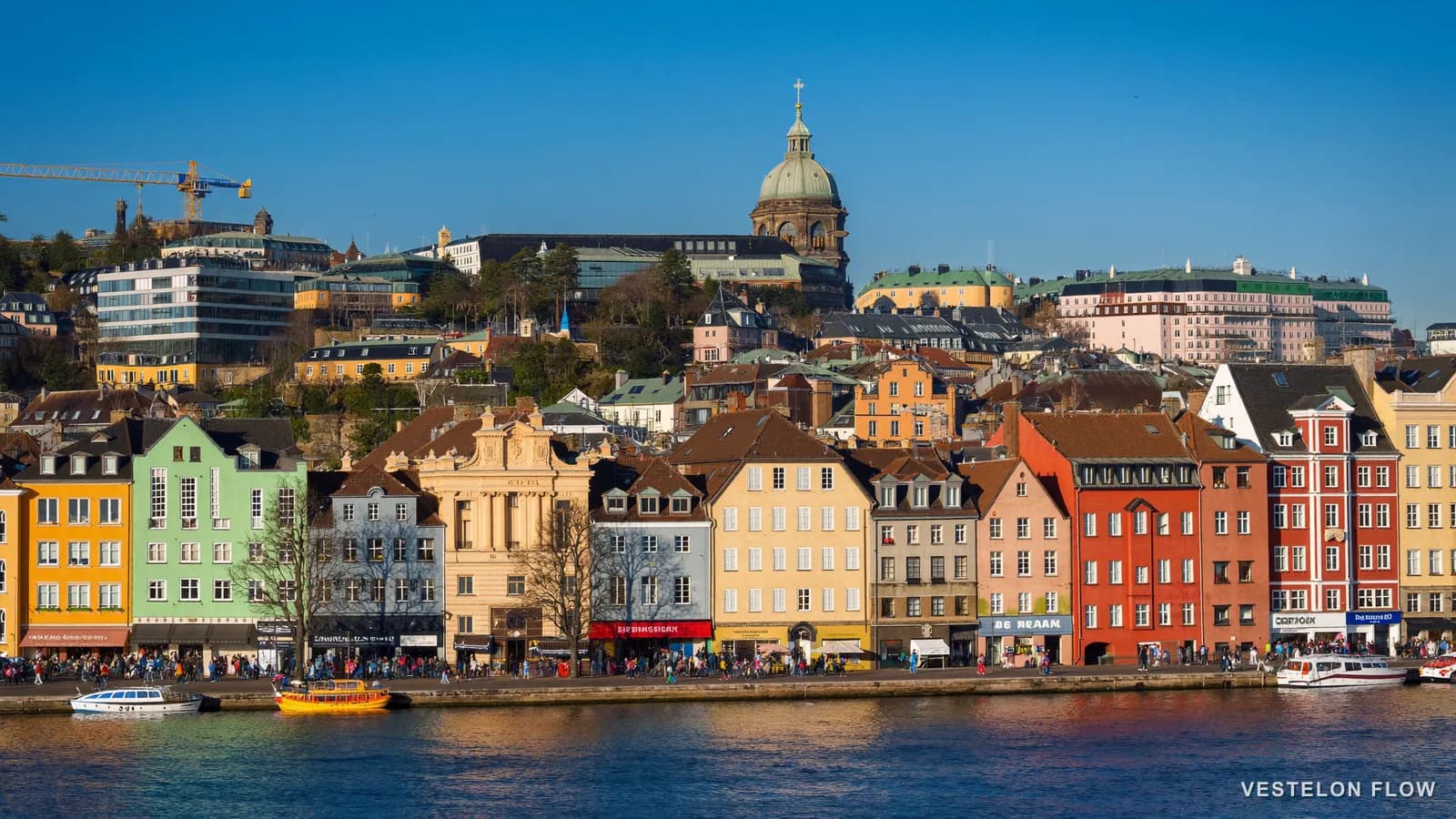
A single person renting a small apartment in Sweden usually spends somewhere around 18,000 to 28,000 kr per month once rent, food, transport and bills are added up. Stockholm sits at the top of that range, smaller towns at the bottom. Treat every figure here as a rough estimate for 2026, not a quote. Your real numbers depend on where you live, whether you found a first-hand or second-hand contract, and how often you eat out.
The short version: a monthly budget
Here is a realistic single-person budget for someone living in or near Stockholm, with everything labelled as an estimate. Adjust down by 15 to 30 percent outside the capital.
- Rent, 1-bed apartment: 9,000 to 16,000 kr (the single biggest swing in your whole budget)
- Groceries: 3,000 to 4,500 kr
- Transport (SL monthly card): around 1,020 kr in Stockholm
- Utilities (electricity, heating, water): 500 to 1,500 kr, often partly included in rent
- Mobile and home internet: 400 to 700 kr combined
- Eating out and fun: 1,500 to 4,000 kr depending on habits
Add those up and a careful single person lands near 18,000 kr, while a comfortable Stockholm lifestyle pushes past 27,000 kr. A couple sharing rent often spends less per person than two singles.
Rent: the part that decides everything
Housing is where Sweden gets genuinely complicated, and it has little to do with price tags. There are two rental systems and they behave very differently.
A first-hand contract (förstahandskontrakt) means you rent directly from a landlord or housing company at a regulated rent. These are cheaper and secure, but in Stockholm the public queue can mean waiting many years. A second-hand contract (andrahandskontrakt) means subletting from someone who holds the first-hand lease. These are easy to find but cost more and offer less security.
Rough monthly estimates for a one-bedroom:
- Stockholm: 11,000 to 16,000 kr second-hand, less if you ever win a first-hand contract
- Gothenburg and Malmo: 8,000 to 12,000 kr
- Smaller towns (Uppsala, Linkoping, Umea): 6,000 to 9,000 kr
If you are new to Sweden, assume you will start on a second-hand contract and budget accordingly. Join the municipal housing queue (in Stockholm, Bostadsförmedlingen) the day you arrive, because the wait only counts from when you register.
Groceries and the cost of eating
Food in Sweden is moderate by Nordic standards. Budget chains like Lidl and Willys are noticeably cheaper than ICA or Coop. A single person cooking at home spends roughly 3,000 to 4,500 kr a month (an estimate), more if you buy a lot of meat, fish or imported goods.
Eating out is where budgets quietly leak. A weekday lunch deal (dagens lunch) is good value at around 120 to 160 kr and usually includes salad, bread and coffee. Dinner out is a different story: a main dish at a normal restaurant runs 180 to 300 kr, and a beer is often 70 to 95 kr. A few restaurant evenings a month can rival your entire grocery bill.
Transport and the SL card
Public transport in Sweden is excellent, and in cities you rarely need a car. In Stockholm the regional operator SL sells a 30-day travel card for roughly 1,020 kr (estimate), covering metro, buses, commuter trains and ferries across the region. Gothenburg and Malmo have their own systems at similar or slightly lower prices.
Owning a car adds insurance, fuel, parking and the congestion charge in Stockholm and Gothenburg. For most city dwellers a monthly transit card plus the occasional rental or car-share is far cheaper.
Utilities, mobile and internet
Many Swedish rentals include heating and water in the rent, which softens winter bills. When electricity is separate, expect 500 to 1,500 kr a month as an estimate, swinging higher in cold months and during expensive electricity periods.
Mobile and broadband are cheap and fast. A generous mobile plan with plenty of data is often 150 to 350 kr, and home fibre internet around 300 to 450 kr. Many apartment buildings bundle broadband into the rent through the building network.
The cashless reality
Sweden is one of the most cashless countries on earth. Cards work everywhere, and the mobile payment app Swish is used for everything from splitting dinner to paying a market stall. Many shops and cafes no longer accept cash at all.
This is convenient, but it has a budgeting catch: when every coffee, lunch and bus top-up is a frictionless tap, the small amounts vanish from memory. Plenty of people in Sweden are surprised at month-end not by their rent, which is fixed, but by how much disappeared in 60 kr and 90 kr taps. This is exactly the gap VESTELON FLOW is built to close: it reads one bank statement and shows where your money actually went, broken down by category, and the first report is free with no bank login.
Stockholm versus the rest of Sweden
The single biggest decision for your budget is the city. Stockholm is the expensive outlier, mostly because of rent. Gothenburg offers much of the same big-city life for less, and Malmo is cheaper still, with the bonus of Copenhagen across the bridge. Smaller university towns like Uppsala, Lund, Linkoping and Umea can cut your housing cost dramatically while keeping good services and transport.
If your income is fixed and not tied to Stockholm, moving even one tier down the city ladder can free up several thousand kronor a month.
Budgeting tips for expats and newcomers
- Register for the housing queue immediately. A first-hand contract is the single best long-term saving you can make, and the clock starts the day you register.
- Shop at budget supermarkets. Lidl and Willys for staples, ICA or Coop for the rest. The difference adds up over a year.
- Buy the monthly transit card if you commute more than a few times a week. Single tickets are poor value.
- Watch the small cashless taps. Lunches, coffees and after-work drinks are the leak that hides best.
- Use second-hand for furniture. Blocket and local Facebook groups make furnishing an apartment cheap, and Swedes sell good quality.
- Look at one statement before you assume. Most people guess their spending wrong by category. Knowing the real split is the start of any saving plan.
Common questions
Is Sweden more expensive than the rest of Europe?
Sweden is above the EU average, especially for eating out and alcohol, but housing in Stockholm is often cheaper than London or Paris, and many services are high quality. It is expensive, not extreme.
How much should I earn to live comfortably in Stockholm?
A net income of around 25,000 to 30,000 kr a month lets a single person live comfortably in Stockholm after a typical rent, as a rough estimate. Below that you can manage, but housing choices get tighter.
Do I really not need cash in Sweden?
Mostly, yes. Cards and Swish cover almost everything, and many places refuse cash entirely. Keep a card and a Swish-linked Swedish bank account, and you are set.
Upload one bank statement. FLOW shows exactly where your money leaks today, what it is worth once you redirect it, and the year it could set you free. Not another tracker: a plan you can act on.
Get my free reportFree first report · No card needed · No bank login · Delete anytime · GDPR-firstWhat you could tackle next
 Cost of Living in Spain: A Real Monthly Budget
 Cost of Living in Vienna: A Real Monthly Budget
 Cost of Living in Denmark: A Real Monthly Budget
 Cost of Living in Amsterdam: A Real Monthly Budget
 Cost of Living in Italy: A Real Monthly Budget
 Cost of Living in Lisbon: A Real Monthly Budget