Cost of Living in Denmark: A Real Monthly Budget
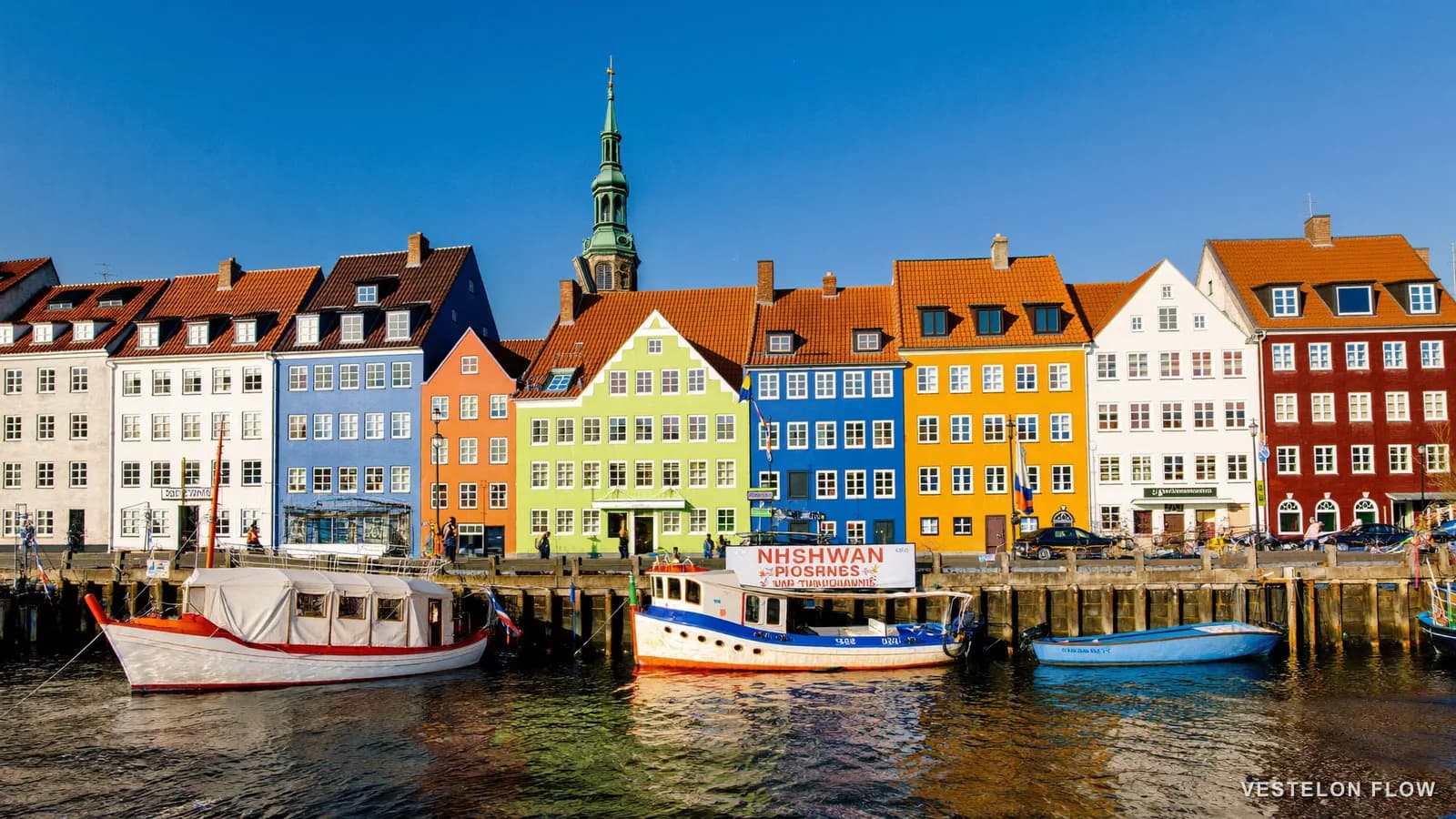
For a single person renting a one-bedroom flat, a realistic monthly budget in Denmark lands somewhere around 14,000 to 22,000 kr in Copenhagen and roughly 11,000 to 16,000 kr in smaller cities, before income tax is taken out of your salary. These are estimates, not quotes, and your own number depends heavily on rent and lifestyle. Denmark is expensive on paper, but the price buys you strong public services. Here is where the money actually goes.
Rent: the single biggest line
Housing dominates every Danish budget, and the gap between the capital and everywhere else is large. These are rough monthly ranges for a furnished or semi-furnished place, all estimates:
- Copenhagen, 1-bed: 9,000 to 15,000 kr, often higher in the central districts like Indre By or Vesterbro.
- Aarhus or Odense, 1-bed: 6,000 to 9,500 kr.
- Smaller towns (Aalborg, Esbjerg, rural Jutland): 4,500 to 7,500 kr.
- A room in a shared flat: 3,500 to 6,000 kr depending on the city.
Two things surprise newcomers. First, deposits are steep, typically three months of rent plus the first month up front, so you may need 25,000 to 50,000 kr just to move in. Second, the legitimate rental market is tight in Copenhagen and scams are common, so never transfer money before seeing a contract and a real address.
Groceries and everyday food
A single person who cooks at home spends roughly 2,500 to 3,500 kr a month on groceries, and a couple maybe 4,500 to 6,000 kr. You can pull this down by shopping at the discount chains, Netto, Rema 1000, Fakta and Lidl, rather than the pricier Irma or Meny. A few reference points, all estimates: a litre of milk around 12 kr, a loaf of rugbroed around 18 kr, a kilo of chicken breast around 60 kr, and a 500 ml domestic beer in a shop around 12 kr.
Transport: Rejsekort and the bicycle
The cheapest way to get around most Danish cities is a bike, and the infrastructure makes it genuinely practical year round. A decent used bike costs 800 to 2,000 kr once, then nearly nothing to run. For public transport, the Rejsekort is a tap-on, tap-off travel card that works across buses, trains and the metro nationwide and gives you a cheaper fare than single tickets. Budget roughly:
- Rejsekort pay-as-you-go: 500 to 900 kr a month for regular commuting.
- A monthly commute pass (pendlerkort): 400 to 750 kr depending on zones.
- Owning a car: expensive. Registration tax, fuel and parking push the all-in cost well above public transport, so most city residents skip it.
Utilities, mobile and internet
Heating and electricity are not cheap in Denmark, and winter bills run higher. Monthly estimates for a one-bed flat:
- Electricity, heating and water: 800 to 1,500 kr, sometimes more in deep winter.
- Home internet: 200 to 350 kr.
- Mobile plan: 100 to 200 kr, and Danish mobile data is good value compared with rent.
Check whether your rent already includes heating and water, because many Danish leases do, and that single detail changes your budget a lot.
Eating out and going out
Restaurants are where Denmark feels most expensive. A casual main dish runs 130 to 220 kr, a three-course dinner for two with wine easily passes 700 kr, and a single coffee out is 35 to 50 kr. A beer in a Copenhagen bar is commonly 50 to 75 kr. None of this is a problem occasionally, but eating out twice a week is the fastest way to blow a budget here, so most locals treat it as a treat rather than a habit.
The high taxes, and what they buy
Danish income tax is genuinely high. Most people pay an effective rate somewhere around 35 to 45 percent of gross income, and there is a 25 percent VAT baked into nearly every price you see. That sounds brutal, and it is worth planning for, but the trade is real. Healthcare is tax funded and free at the point of use, university is free for EU and EEA students and many receive a monthly study grant, childcare is heavily subsidised, and public infrastructure is excellent. When you compare Denmark to a lower-tax country, compare the after-everything picture, not just the headline tax rate.
Copenhagen versus the rest of Denmark
The capital is the most expensive place to live in the country, driven almost entirely by rent. Aarhus, a lively university city, costs noticeably less, and Odense or Aalborg less again. Salaries are somewhat higher in Copenhagen but rarely enough to fully offset the rent gap. If your work allows it, living in Aarhus or a commuter town can leave you meaningfully better off each month for a similar quality of life.
Expat budgeting tips
Moving to Denmark from abroad adds a few one-off costs and habits worth knowing:
- Get your CPR number and NemKonto early. Without them you cannot easily rent, get paid or set up a bank account, which delays everything.
- Budget for the move-in lump sum, the deposit plus prepaid rent, which is the single biggest cash shock for new arrivals.
- Use MobilePay. Denmark is nearly cashless and this app handles most everyday person-to-person payments.
- Expect higher winter utility bills and spread the cost mentally across the year.
One honest difficulty when you arrive is simply seeing where your krone go across new accounts, a new currency and unfamiliar shops. This is where a tool like VESTELON FLOW helps: it reads one bank statement and shows where your money actually went, sorted into clear categories, and your first report is free with no bank login required. It will not lower your rent, but it makes the picture honest fast.
Ways to save
- Bike instead of driving, and use Rejsekort rather than single tickets.
- Shop at Netto, Rema 1000 and Lidl, and cook at home most nights.
- Share housing or look outside the central districts to cut rent sharply.
- Buy a used bike and second-hand furniture on DBA or Facebook groups.
- Treat eating out as occasional, the biggest discretionary lever in any Danish budget.
Common questions
How much do I need to live comfortably in Copenhagen?
As a rough estimate, a single person wanting a comfortable but not lavish life budgets around 16,000 to 22,000 kr a month after rent and bills are covered, with a salary high enough to absorb tax on top.
Is Denmark more expensive than its neighbours?
Broadly yes, it sits alongside Norway as one of the pricier Nordic countries, mainly because of rent, restaurants and the 25 percent VAT, though strong public services offset part of the cost.
Can I live in Denmark without a car?
Easily, and most city residents do. Cycling plus the Rejsekort network covers daily life, and owning a car is one of the more expensive choices you can make here.
Upload one bank statement. FLOW shows exactly where your money leaks today, what it is worth once you redirect it, and the year it could set you free. Not another tracker: a plan you can act on.
Get my free reportFree first report · No card needed · No bank login · Delete anytime · GDPR-firstWhat you could tackle next
 Cost of Living in Portugal: A Real Monthly Budget
 Cost of Living in Belgium: A Real Monthly Budget
 Cost of Living in Sweden: A Real Monthly Budget
 Cost of Living in Amsterdam: A Real Monthly Budget
 Cost of Living in Germany: A Real Monthly Budget
 Cost of Living in Vienna: A Real Monthly Budget