Cost of Living in Norway: A Real Monthly Budget
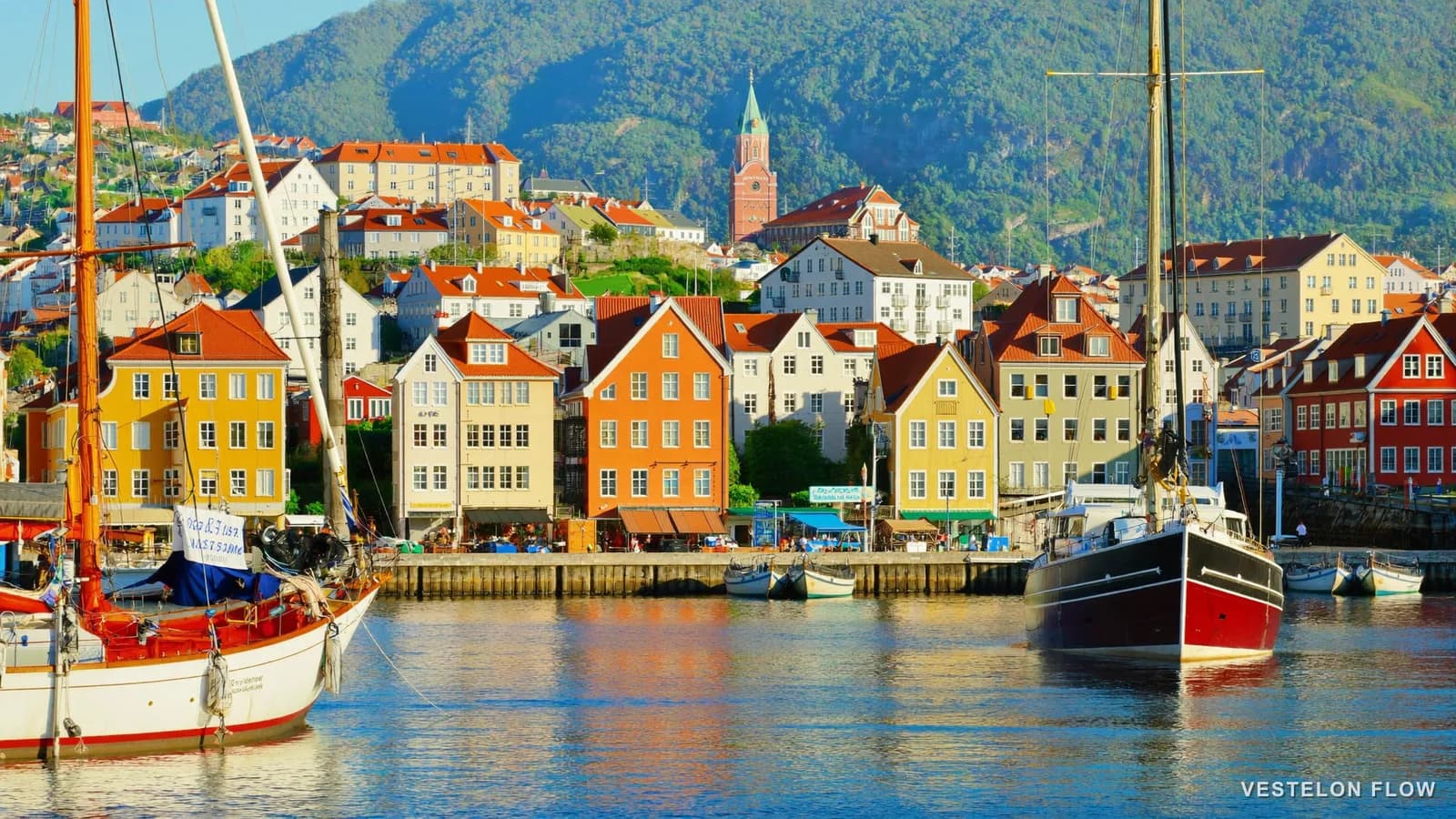
A single person living in Oslo should plan for roughly 20,000 to 30,000 kr per month once rent is included, while a couple sharing costs often lands around 32,000 to 45,000 kr. Outside the capital you can shave 15 to 30 percent off the housing line. These are rough estimates, not quotes, and your own number depends heavily on neighbourhood, lifestyle and how often you eat out. Norway is famously expensive, but it also pays famously well, so the picture is more balanced than the headline prices suggest.
The honest summary: expensive, but high salaries
Norway consistently ranks among the priciest countries in Europe for groceries, alcohol and restaurants. The flip side is that wages are high and fairly compressed, so a normal full-time job covers a normal life. A median full-time salary sits around 55,000 to 65,000 kr per month before tax, and after tax most people keep roughly 65 to 72 percent of that. The shock for newcomers is rarely the rent. It is the receipt at the supermarket and the bill at a bar.
Rent: the biggest single line
Housing is where city choice matters most. Approximate monthly rents (estimates, mid-2026):
- Oslo, 1-bed apartment: 13,000 to 19,000 kr in the centre, a little less further out.
- Bergen or Trondheim, 1-bed: 10,000 to 15,000 kr.
- Stavanger: 10,500 to 15,500 kr, swinging with the oil economy.
- Smaller towns (Tromso aside, which is pricey): 8,000 to 12,000 kr.
- A room in a shared flat: 6,000 to 9,500 kr in the big cities.
Most rentals come unfurnished or part-furnished, and a deposit of three months’ rent held in a locked depositumskonto is standard. Budget for that upfront hit when you arrive.
Groceries: where Norway really stings
This is the line that surprises everyone. A single person who cooks at home spends roughly 3,500 to 5,500 kr a month on food. Some rough per-item estimates from the budget chains (Rema 1000, Kiwi, Extra):
- 1 litre of milk: around 22 to 28 kr
- Loaf of bread: 35 to 55 kr
- 500 g chicken fillet: 70 to 100 kr
- A restaurant-free pizza you make at home: maybe 50 kr in ingredients
- A single beer in a bar: 110 to 160 kr
Alcohol and anything imported carries heavy tax. Wine and spirits are only sold in the state-run Vinmonopolet, and prices reflect it. If you drink, that habit alone can add thousands per month.
Transport, utilities and connectivity
The non-food essentials are more reasonable than the supermarket:
- Public transport pass: a monthly city pass (for example Oslo’s Ruter) runs about 850 to 950 kr. Many people in compact cities cycle or walk and skip it.
- Electricity and heating: 700 to 2,500 kr a month, highly seasonal. Winter in a poorly insulated flat is the upper end; summer can be near zero. The government has run electricity support schemes in recent years, so check what applies.
- Mobile plan: 250 to 450 kr a month for a generous data plan.
- Home internet: 500 to 750 kr a month for fibre.
- Water, sewage and waste: usually included in rent for apartments; a separate municipal bill if you own.
Eating out and the small luxuries
Restaurants are a treat, not a routine, for most locals. A main course at a mid-range place is around 250 to 380 kr, a three-course dinner for two with drinks can easily pass 1,500 kr, and a takeaway coffee is 45 to 65 kr. A fast-food meal lands near 150 to 190 kr. None of this is unaffordable on a Norwegian salary, but it adds up fast if it becomes a habit rather than an occasion.
A sample monthly budget (single person, Oslo)
Rough estimate, one person renting alone, modest lifestyle:
- Rent (1-bed): 15,000 kr
- Groceries: 4,500 kr
- Transport pass: 900 kr
- Electricity: 1,200 kr
- Mobile and internet: 900 kr
- Eating out and fun: 2,500 kr
- Insurance, gym, odds and ends: 1,500 kr
That totals roughly 26,500 kr a month. Share a flat or pick Bergen over Oslo and you can pull it under 20,000 kr without much sacrifice.
Expat budgeting: what to plan for first
If you are moving from abroad, front-load these realities. You need a Norwegian bank account and a fodselsnummer or D-number before salary and rent flow smoothly, and that paperwork takes weeks. Have a buffer of two to three months’ expenses for the deposit and the gap. Tax is deducted at source, so quote net, not gross, when you compare an offer to your old life. Crucially, the first month abroad always looks worse than steady state because of setup costs and a habit of converting every price back into your home currency. Give it a quarter before you judge.
Ways to actually save money
- Cook at home. The single biggest lever. The gap between home cooking and restaurants is wider here than almost anywhere.
- Shop the budget chains and apps. Rema 1000, Kiwi and Extra undercut the rest, and apps like Too Good To Go sell surplus food cheaply.
- Cross-border shopping. If you live near the Swedish border, a harrytur for meat, soft drinks and alcohol can cut those bills meaningfully. Mind the duty-free import limits.
- Use the outdoors. Hiking, skiing on public trails and swimming are free or nearly so. Norway’s best entertainment costs nothing.
- Buy second-hand. Finn.no is the national marketplace for furniture, bikes and gear at a fraction of retail.
- Limit alcohol and tobacco. Taxed harder than almost anything else you can buy.
Know where your money actually goes
The hardest part of a high-cost country is not the prices, it is the slow leak you never notice. Many people assume rent is the problem when the real damage is 4,000 kr of small card taps a month. This is exactly what VESTELON FLOW is built for: it reads one bank statement and shows you where your money actually went, by category, with no bank login and a free first report. Seeing it in plain numbers tends to change behaviour faster than any budget spreadsheet.
Common questions
Is Norway really that expensive?
For groceries, alcohol and restaurants, yes, among the highest in Europe. For rent it is high but not extreme by big-city standards, and salaries are high enough that a normal job comfortably covers a normal life.
How much salary do I need to live comfortably in Oslo?
A net income of around 28,000 to 35,000 kr per month lets a single person live comfortably while saving a little. Sharing a flat or living outside the centre lowers that floor noticeably.
What costs the most each month?
Rent is the largest single line, but groceries and eating out are where Norway feels most expensive relative to other countries. Watching food and discretionary spending is where most people find real savings.
Upload one bank statement. FLOW shows exactly where your money leaks today, what it is worth once you redirect it, and the year it could set you free. Not another tracker: a plan you can act on.
Get my free reportFree first report · No card needed · No bank login · Delete anytime · GDPR-firstWhat you could tackle next
 Cost of Living in Portugal: A Real Monthly Budget
 Cost of Living in Dublin: A Real Monthly Budget
 Cost of Living in Amsterdam: A Real Monthly Budget
 Cost of Living in Sweden: A Real Monthly Budget
 Cost of Living in Austria: A Real Monthly Budget
 Cost of Living in Denmark: A Real Monthly Budget