Cost of Living in Belgium: A Real Monthly Budget
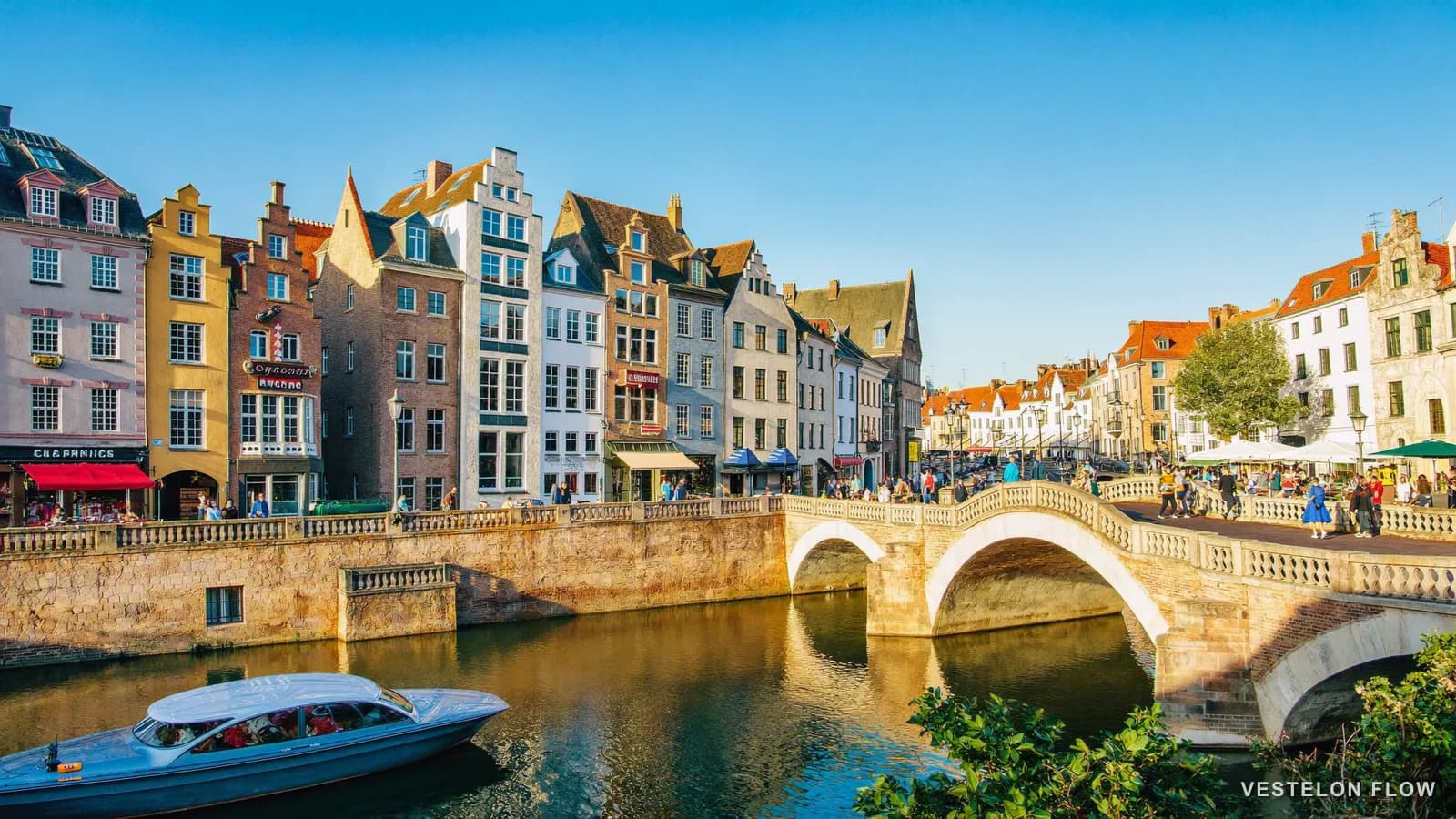
A single person living comfortably in Belgium usually spends somewhere around €1,800 to €2,600 per month, with rent being the biggest swing factor. A couple sharing one flat often lands near €2,800 to €3,800. These are estimates, not quotes. Brussels and the leafy commuter towns sit at the top of that range, while Wallonia and smaller Flemish towns can pull you toward the bottom. Below is a real breakdown so you can build a number that fits your own life rather than a headline average.
What a monthly budget actually looks like
Here is a rough single-person budget for someone renting a one-bedroom flat in or near Brussels. Treat every figure as a 2026 estimate that varies by neighbourhood and lifestyle.
- Rent (1-bed): €900 to €1,300
- Utilities (electricity, gas, water): €150 to €300
- Mobile and internet: €40 to €70
- Groceries: €250 to €400
- Transport (STIB or SNCB pass): €35 to €90
- Eating out and going out: €150 to €350
- Everything else (health, subscriptions, clothes, fun): €200 to €400
Add it up and you can see why the comfortable range is so wide. Two people sharing rent and utilities almost always live more cheaply per head than one person alone.
Rent: Brussels vs Antwerp and Ghent vs smaller towns
Rent is where Belgium quietly drains a budget, and the gap between cities is real. A modern one-bedroom flat in central Brussels often runs €1,000 to €1,400, though older or further-out places can be found nearer €850. Antwerp and Ghent are a touch friendlier, frequently €800 to €1,150 for something similar. In smaller towns across Flanders and Wallonia, such as Leuven’s outskirts, Hasselt, Namur, or Charleroi, a one-bedroom can land around €600 to €850.
Two things catch newcomers. First, many Belgian rentals come unfurnished and sometimes without kitchen appliances, so budget for setup. Second, you normally owe a deposit of two to three months’ rent, held in a blocked account. These are estimates, but plan for a meaningful upfront cost before you ever pay month one.
Utilities can be the surprise
Belgian energy bills have a reputation, and it is earned. Heating in winter, especially in older buildings with poor insulation, can push a combined electricity and gas bill toward €200 to €300 a month across the colder season. A well-insulated newer flat for one person might sit closer to €120 to €180. Water is usually modest, often €15 to €30 a month. Many providers bill on an estimated monthly amount and then settle once a year, so a yearly correction can hit you with a bill you did not see coming. Read your annual statement carefully.
Transport: STIB, SNCB, and getting around
If you live in Brussels and use the city network, a STIB monthly pass is one of the cheaper line items in this whole guide. An annual subscription works out to a low monthly figure, and reductions exist for younger and older residents. Once you commute between cities by train, costs rise. An SNCB monthly season ticket for a regular intercity route can be roughly €100 to €200 depending on distance, though many employers reimburse a large share of commuting costs, so check what yours covers.
Belgium is compact and bike-friendly in the Flemish cities, so plenty of people skip a car entirely. If you do keep one, fuel, insurance, and parking add up fast in dense areas, easily €300 plus a month all in.
Groceries, mobile, internet, and eating out
A solo shopper cooking most meals tends to spend €250 to €400 a month on groceries, less if you lean on discount chains like Aldi, Lidl, or Colruyt and more if you favour organic shops or city-centre convenience. Mobile and home internet together usually run €40 to €70 a month on a normal plan. Eating out is where lifestyle decides everything: a casual lunch might be €15 to €20, a sit-down dinner for two with drinks easily €70 to €110, and a few beers out add up quicker than expats expect. All estimates, all very personal.
Brussels vs Flanders vs Wallonia
As a rough rule, Brussels is the most expensive for rent and daily costs, Flanders sits a notch below with strong public services and good transport, and Wallonia is generally the most affordable, especially for housing. The trade-off is jobs and language: Brussels is bilingual and international, Flanders is Dutch-speaking, and Wallonia is French-speaking. Where you can work and which language you speak often matters more to your real budget than a price chart, because it decides your commute and your housing options.
Expat and EU-worker budgeting
If you are moving for an EU institution, NGO, or international company, your first three months are the expensive ones: deposit, agency fees, furnishing, and registering as a resident all stack up. Belgium also taxes income at a high rate, so the gap between gross and net salary is large. Budget on your net figure, never gross. EU staff with special tax status are an exception, but most arrivals should assume meaningful deductions.
One honest habit that helps more than any spreadsheet template: look at where your money actually went last month, not where you planned for it to go. VESTELON FLOW reads a single bank statement and shows where your money actually goes, and the first report is free, with no bank login. For a newcomer trying to learn a new currency and a new cost base, seeing your real Belgian spending in one view is a fast reality check.
Ways to save in Belgium
- Live one stop out. Rent drops sharply just outside city centres, and Belgian public transport makes the trade-off easy.
- Pick the cheaper supermarkets. Colruyt, Aldi, and Lidl meaningfully cut a grocery bill versus premium chains.
- Insulate against energy bills. Compare providers yearly, and ask landlords about insulation and the energy certificate before signing.
- Use annual transport passes. The yearly STIB or De Lijn subscription beats paying monthly.
- Claim your commute. Most employers reimburse part of train or transit costs, so do not leave that money unclaimed.
- Track the first three months. Setup costs distort early budgets, so review your statement before assuming your real monthly number.
Common questions
Is Belgium more expensive than its neighbours?
Roughly on par with the Netherlands and France for daily costs, often cheaper than Luxembourg, and with notably high utility and income-tax burdens. Housing outside Brussels is fairly reasonable by Western European standards. These are general estimates.
How much do I need to live comfortably in Brussels?
A single person usually wants a net income around €2,200 to €2,800 a month to live comfortably in Brussels with some saving room. Less is workable if you share housing or live further out.
Why are Belgian utility bills so high?
A mix of energy prices, taxes and grid fees on bills, and a lot of older, poorly insulated housing stock. Winter heating is the main driver, and an annual settlement bill can be larger than your monthly estimates suggested.
Upload one bank statement. FLOW shows exactly where your money leaks today, what it is worth once you redirect it, and the year it could set you free. Not another tracker: a plan you can act on.
Get my free reportFree first report · No card needed · No bank login · Delete anytime · GDPR-firstWhat you could tackle next
 Cost of Living in Switzerland: A Real Monthly Budget
 Cost of Living in Norway: A Real Monthly Budget
 Cost of Living in Portugal: A Real Monthly Budget
 Cost of Living in Dublin: A Real Monthly Budget
 Cost of Living in Lisbon: A Real Monthly Budget
 Cost of Living in Amsterdam: A Real Monthly Budget