Cost of Living in Ireland: A Real Monthly Budget
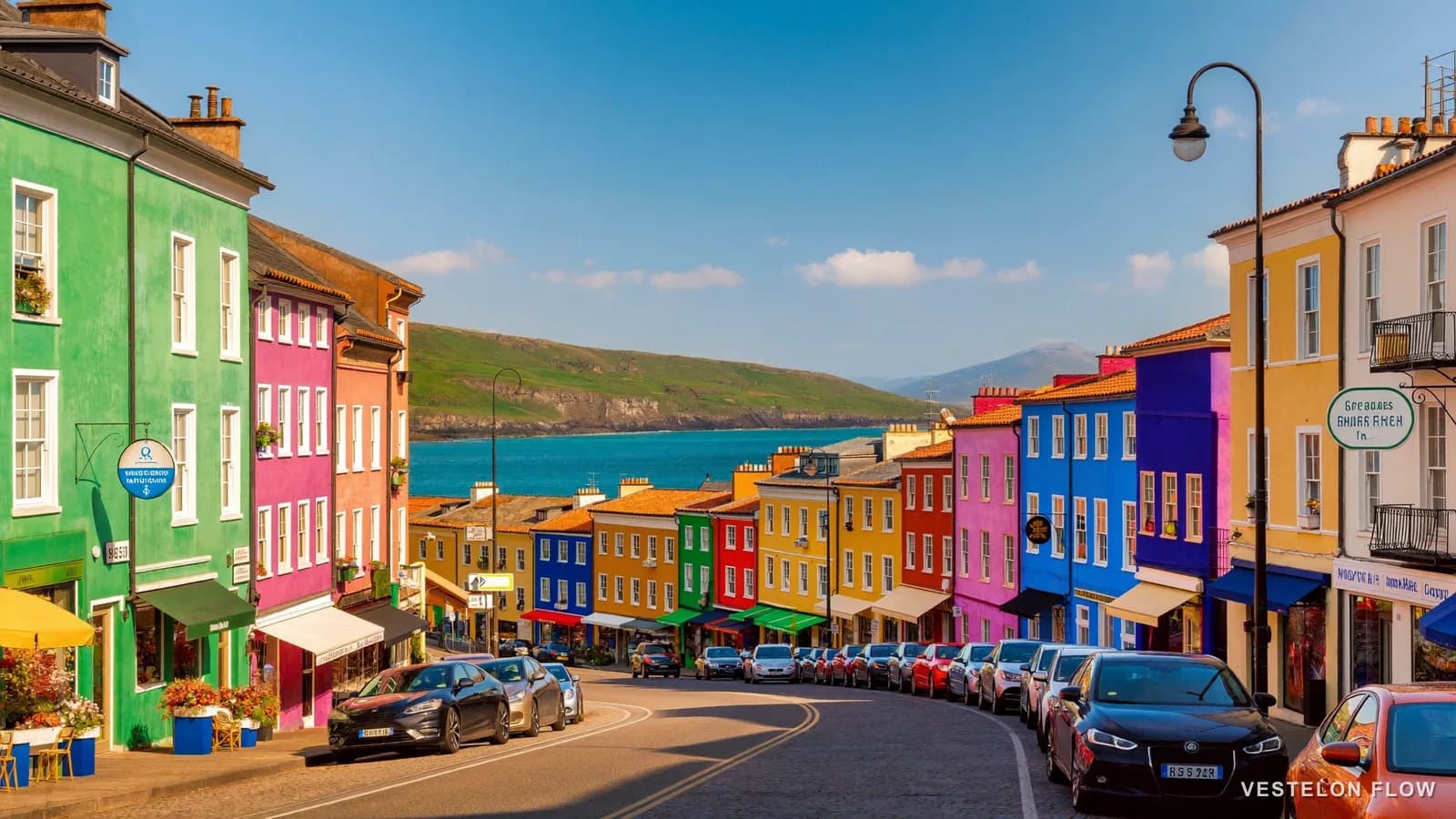
A rough estimate: one person renting a place of their own in Ireland needs somewhere around €2,400 to €3,400 a month, and most of that gap is rent. In Dublin you are usually at the top of that range. In Cork, Galway or a rural town you can land closer to the bottom. Share a house and your total can drop by €600 to €900. These are estimates, not quotes. Your actual numbers depend on where you live, how you commute and how often you eat out. Below is a realistic breakdown built from typical 2026 prices.
Rent: the number that decides everything
Rent is the single biggest line item in any Irish budget, and the gap between cities is large. Rough monthly ranges for a one-bedroom apartment (all estimates):
- Dublin city: €1,800 to €2,400 for a one-bed. A room in a shared house often runs €900 to €1,300.
- Cork or Galway: €1,300 to €1,800 for a one-bed; a shared room €650 to €950.
- Smaller towns and rural areas: €900 to €1,400 for a one-bed, though supply is thin and you will likely need a car.
Most rentals are unfurnished or part-furnished, and a landlord will usually ask for one month rent as a deposit plus the first month up front. Budget for that double hit when you move.
The tight Dublin rental market
Be honest with yourself about how hard it is to find a place in Dublin. Listings can get dozens of viewing requests within hours, available stock is low, and good apartments go fast. Practical tips: set up alerts on the main listing sites, have your references and proof of income ready as a single document, and be prepared to decide quickly. Many newcomers start in shared housing or short-term accommodation for the first month or two while they search. That is normal, not a failure.
Groceries and everyday food
For one person cooking most meals at home, expect roughly €250 to €400 a month on groceries (an estimate). Discount supermarkets keep the bill down, while the larger chains cost more for the same basket. A couple sharing a kitchen usually spends less per head than two singles. Coffee out, lunch deals and the occasional takeaway add up quickly and sit outside this number.
Transport and the Leap card
If you live in a city, public transport is often cheaper than running a car. The Leap card is the prepaid travel card for buses, trams (Luas), the DART and commuter rail. Approximate costs (all estimates):
- Leap card commuter: a monthly cap and regular fares mean many city commuters spend €90 to €140 a month.
- Running a car: once you add insurance, fuel, motor tax, tolls and servicing, plan for €300 to €500 a month or more. Car insurance for newer drivers in Ireland is notably expensive.
Outside the cities a car is often unavoidable because rural bus links are limited.
Utilities and high energy costs
Energy is one of the areas where Ireland surprises newcomers. Electricity and gas are among the pricier in Europe, and the bill swings hard with the seasons. Monthly estimates for a one-bed or small home:
- Electricity and gas combined: €150 to €280, higher in winter when heating runs. A poorly insulated older home can push past this.
- Broadband: €40 to €65 for home fibre.
- Mobile: €15 to €30 on a SIM-only plan; prepaid bundles can be cheaper.
- Bins and waste: often €15 to €30 depending on the provider and how much you throw out.
There is no separate water charge for normal household use, which helps a little. Note that there is a TV licence fee owed per household.
Eating out and going out
Eating out is a real cost in Ireland, not an afterthought. A casual main course is often €16 to €24, a pint commonly €6 to €8 (more in central Dublin), and a flat white €3.50 to €4.50. A relaxed dinner for two with drinks can easily reach €80 to €120. None of this is in your rent or grocery line, so it is exactly where budgets quietly leak.
A sample monthly budget for one person
Putting it together for a single person renting their own one-bed (all figures estimates):
- Dublin, own one-bed: rent €2,000, utilities €200, transport €120, groceries €320, broadband and mobile €75, eating out €250. Total roughly €2,965.
- Cork or Galway, own one-bed: rent €1,500, utilities €190, transport €110, groceries €300, broadband and mobile €70, eating out €200. Total roughly €2,370.
- Sharing in Dublin: room €1,100, your share of utilities €90, transport €120, groceries €280, broadband and mobile €55, eating out €200. Total roughly €1,845.
Add health insurance, savings, debt repayments or childcare and the picture changes again. Childcare in particular is a major cost for families.
Budgeting as a newcomer
The hardest part of arriving in Ireland is that the first month costs more than every month after it: deposit, first rent, a SIM, basic furniture and the slow grind of finding somewhere permanent. Give yourself a buffer of two to three months of expenses if you can, and treat your first budget as a draft you will correct once real bills arrive.
The quiet killer is not rent, which you already know about. It is the small recurring stuff: subscriptions, lunches out, the second coffee, delivery fees. This is where VESTELON FLOW helps. FLOW reads one bank statement and shows where your money actually goes, broken down by category, with a free first report and no bank login. Seeing your real Irish spending on a page is usually more useful than any sample budget, including this one.
Ways to save
- Share housing for your first year. It is the largest single saving available and the fastest way to learn an area.
- Shop the discount supermarkets and buy own-brand staples; the quality gap is small and the price gap is not.
- Use the Leap card caps and skip the car in a city if you can.
- Tackle energy in winter: compare suppliers yearly, look for cheaper night-rate tariffs if you have a smart meter, and keep heat off in unused rooms.
- Cap eating out to a set monthly figure rather than going by feel.
- Review subscriptions every few months and cancel what you forgot you had.
Common questions
How much money do I need to move to Ireland?
Plan for the upfront cost, not just the monthly one. Between a deposit, first month rent and setup costs, many people spend €3,500 to €6,000 just to get settled in a city, before normal monthly expenses begin. This is an estimate and rises if you rent your own place rather than share.
Is Dublin really more expensive than the rest of Ireland?
Yes, mostly because of rent. Groceries, utilities and transport are broadly similar across the country, but Dublin rent can be several hundred euro a month higher than Cork, Galway or a rural town for a comparable place.
Why are Irish energy bills so high?
Ireland has some of the higher electricity and gas prices in Europe, and a lot of older housing stock is not well insulated, so heating is expensive in winter. Comparing suppliers each year and improving insulation are the two levers most within your control.
Upload one bank statement. FLOW shows exactly where your money leaks today, what it is worth once you redirect it, and the year it could set you free. Not another tracker: a plan you can act on.
Get my free reportFree first report · No card needed · No bank login · Delete anytime · GDPR-firstWhat you could tackle next
 Cost of Living in Germany: A Real Monthly Budget
 Cost of Living in Italy: A Real Monthly Budget
 Cost of Living in Vienna: A Real Monthly Budget
 Cost of Living in Sweden: A Real Monthly Budget
 Cost of Living in Spain: A Real Monthly Budget
 Cost of Living in Norway: A Real Monthly Budget