Cost of Living in Germany: A Real Monthly Budget
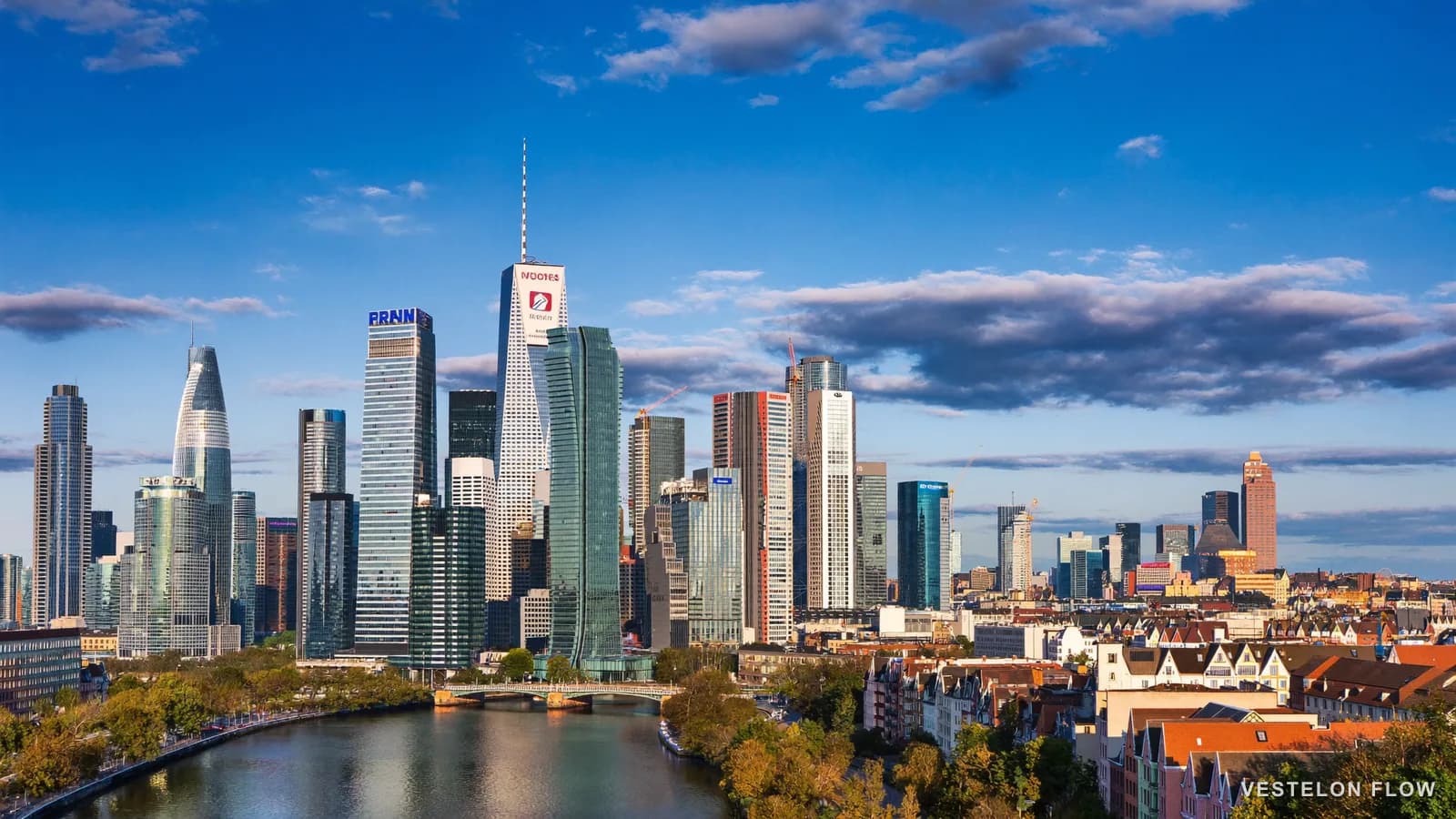
For a single person, the cost of living in Germany usually lands somewhere between €1,600 and €3,200 per month, with most people outside the big cities falling near the lower half. The wide gap is almost entirely about where you live and how much rent eats. These are estimates, not quotes. Your actual numbers depend on the city, your apartment, your health insurance and your habits. Below is a realistic breakdown so you can build a budget that fits your life rather than a stranger’s.
The short version: a sample monthly budget
Here is an approximate budget for one person renting a one-bedroom apartment in a mid-sized German city. Treat every figure as a rough estimate for 2026.
- Rent (Warmmiete, 1-bed): €700 to €1,100
- Groceries: €250 to €400
- Transport (Deutschlandticket): €58
- Health insurance: €200 to €450
- Mobile and internet: €40 to €70
- Rundfunkbeitrag (broadcast fee): €18.36
- Eating out and leisure: €150 to €350
That lands somewhere around €1,500 to €2,400 in a normal city. Swap in Munich rent and the same lifestyle can cross €3,000 fast.
Rent: Kaltmiete vs Warmmiete
Rent is the single biggest line, and it confuses newcomers because Germans quote it two ways. Kaltmiete (cold rent) is the bare rent for the space. Warmmiete (warm rent) adds Nebenkosten: heating, water, building maintenance, sometimes rubbish collection. Always budget on the Warmmiete, and ask whether electricity is included (it often is not).
Approximate Warmmiete for a one-bedroom flat (estimates):
- Munich: €1,200 to €1,900, the most expensive market in the country
- Berlin: €900 to €1,500, climbing fast in recent years
- Hamburg: €900 to €1,400
- Frankfurt: €950 to €1,500
- Mid-sized cities (Leipzig, Dresden, Dortmund, Hannover): €600 to €950
Expect to pay a Kaution (deposit) of up to three months’ cold rent up front, and budget for it. In tight markets many flats also want a Schufa credit report and proof of income at three times the rent.
Groceries and eating out
Food in Germany is reasonable if you shop at discounters like Aldi, Lidl, Netto or Penny. A single person cooking at home spends roughly €250 to €400 a month on groceries (estimate). Organic supermarkets and a love of imported products push that higher.
Eating out adds up quickly. A casual meal runs €12 to €18, a sit-down dinner for one with a drink €25 to €40, and a coffee around €3.50. A few restaurant meals and after-work drinks a week can quietly add €200 or more to your month.
Transport and the Deutschlandticket
The Deutschlandticket is the best deal in German daily life: one monthly subscription, currently €58, that covers all regional and local public transport across the entire country (buses, trams, U-Bahn, S-Bahn and regional trains, but not ICE/IC long-distance). If you live in a city and use public transport, this is your whole transport budget.
Owning a car is a different story. Insurance, fuel, parking and the annual Kfz-Steuer easily add €250 to €500 a month. Many city dwellers skip the car entirely and rely on the Deutschlandticket plus the occasional bike or car-share.
Utilities, the broadcast fee, mobile and internet
If electricity is not in your Warmmiete, budget €40 to €70 a month for a single person, more in winter. The Rundfunkbeitrag, the public broadcast fee, is mandatory per household at €18.36 a month (billed quarterly) whether or not you own a TV.
Home internet runs €25 to €45 a month on a typical contract. Mobile plans are cheaper than they used to be: €10 to €30 a month for a decent data plan, with prepaid options lower. Together, mobile and internet usually sit around €40 to €70.
Health insurance (the basics, not advice)
Health insurance is mandatory in Germany, and it is a real budget line, not an afterthought. There are two systems. Gesetzliche Krankenversicherung (public, GKV) is income-based: contributions are a percentage of gross salary, so an employee’s share is often €200 to €450 a month depending on income, with the employer paying roughly half. Private Krankenversicherung (private, PKV) is available to higher earners, the self-employed and some others, priced on age and health rather than income.
If you are self-employed, a student or arriving from abroad, your situation can differ a lot, so confirm the details with the insurer directly. This is a general overview, not personal advice.
Most and least expensive cities
Munich is consistently the most expensive German city, driven by rent. Frankfurt, Stuttgart and the Hamburg area follow. Berlin used to be a bargain but has risen sharply. For lower costs without leaving city life, Leipzig, Dresden, Dortmund, Essen, Hannover and Nuremberg offer noticeably cheaper rents for similar salaries. Small towns and rural areas are cheaper still, though you may need a car, which erases some of the saving.
Newcomer budgeting and ways to save
When you first arrive, the big surprises are the up-front costs: deposit, possible agent fee (Provision), furniture for an unfurnished flat (most German rentals come without a fitted kitchen), and the gap before your first paycheck. Budget one to two extra months of expenses as a cushion.
Practical ways to keep costs down:
- Choose a mid-sized city or a WG (shared flat) to cut rent, your biggest lever by far.
- Shop at discounters and buy seasonal produce; switch electricity and mobile providers yearly, as loyalty rarely pays in Germany.
- Use the Deutschlandticket instead of a car if your commute allows.
- Track where your money actually goes. Most people underestimate small recurring costs. This is exactly what VESTELON FLOW is built for: it reads one bank statement and shows where your money actually went, no bank login, with a free first report, so you can see your real German budget instead of guessing at it.
Build your budget from your own rent and insurance numbers first, then layer the smaller lines on top. The ranges here are a starting frame, and the real picture is always in your statement.
Common questions
How much money do I need per month to live comfortably in Germany?
As a rough estimate, a single person is comfortable on around €2,500 to €3,200 a month in a major city, or €1,800 to €2,400 in a smaller one. Comfort depends heavily on rent and how often you eat out.
Is the Deutschlandticket worth it?
For almost anyone using public transport regularly, yes. At €58 a month for nationwide regional and local transit, it usually beats a single city’s monthly pass and removes the need for a car for many people.
What is the difference between Kaltmiete and Warmmiete?
Kaltmiete is the bare rent for the space. Warmmiete adds Nebenkosten such as heating, water and building costs. Always plan your budget around the Warmmiete, and check separately whether electricity is included.
Upload one bank statement. FLOW shows exactly where your money leaks today, what it is worth once you redirect it, and the year it could set you free. Not another tracker: a plan you can act on.
Get my free reportFree first report · No card needed · No bank login · Delete anytime · GDPR-firstWhat you could tackle next
 Cost of Living in Ireland: A Real Monthly Budget
 Cost of Living in Amsterdam: A Real Monthly Budget
 Cost of Living in Lisbon: A Real Monthly Budget
 Budgeting as an expat in Europe: a practical money guide
 Cost of Living in Belgium: A Real Monthly Budget
 Cost of Living in Austria: A Real Monthly Budget