Cost of Living in Amsterdam: A Real Monthly Budget
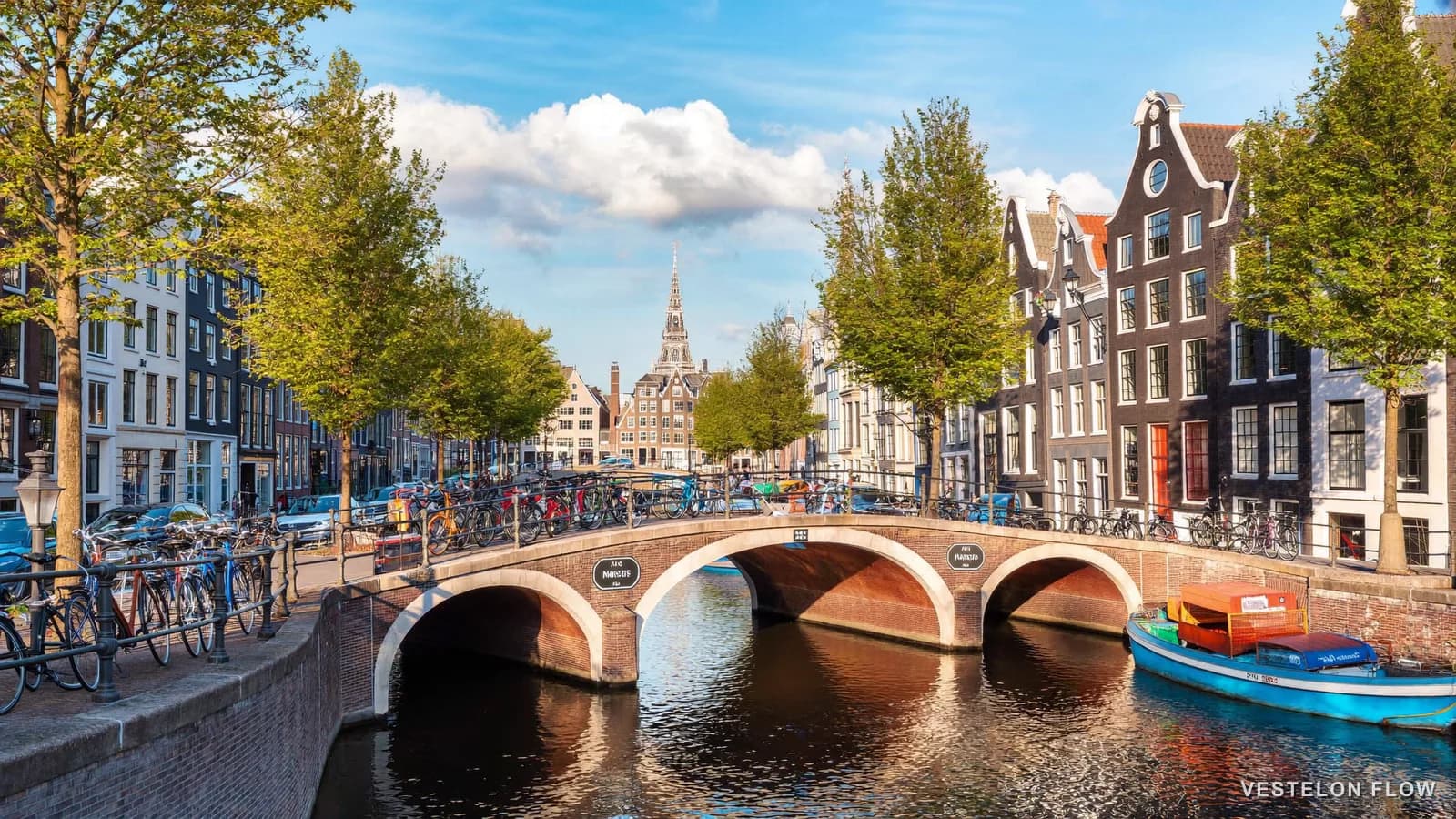
A realistic estimate: a single person renting a one-bedroom flat in Amsterdam spends roughly €2,400 to €3,400 a month, and a couple sharing one flat lands closer to €3,200 to €4,500. Rent swallows most of that, and the rest depends heavily on how often you eat out and whether you cycle. These are estimates for 2026, not quotes. Your real number depends on the neighbourhood, your lease, and your habits.
The short version: a monthly budget for one person
Here is a rough single-person budget for someone renting a modest one-bedroom flat. Treat every figure as an estimate, not a guarantee.
- Rent, one-bed inside the ring: €1,800 to €2,400
- Rent, one-bed outside the ring (Nieuw-West, Zuidoost): €1,300 to €1,800
- Utilities (gas, electricity, water): €150 to €250
- Groceries: €250 to €400
- Transport (cycling plus occasional OV): €30 to €100
- Mobile and home internet: €45 to €75
- Eating out and going out: €200 to €500
- Health insurance (mandatory): €140 to €170
Add it up and a frugal month inside the ring runs near €2,600, while a comfortable one with regular dinners out pushes past €3,400. Move outside the ring and you can shave €400 to €600 off the rent line alone.
Rent: the line that decides everything
Amsterdam rent is the hardest part of any budget. In the centre and the canal belt, a one-bedroom flat commonly asks €1,800 to €2,400 per month, and studios are not much cheaper because demand is brutal. Cross the A10 ring road into neighbourhoods like Nieuw-West, Noord, or Zuidoost and the same flat often sits at €1,300 to €1,800.
A few things to know before you sign anything. Many listings are unfurnished and bare, sometimes without flooring or light fixtures. Agencies often charge no tenant fee now, but ask. And the market moves fast: good flats can be gone within a day, so expat newcomers frequently overpay simply to secure something. If you can, arrange a temporary place first and search properly once you are on the ground.
Groceries: cheaper than you expect
Food at home is reasonable if you shop at the right places. Albert Heijn is everywhere and convenient but pricier; Lidl, Aldi, and Dirk cut your bill meaningfully. The Saturday markets, like Dappermarkt or the Ten Katemarkt, are excellent for cheap vegetables and fruit. A careful single shopper spends around €250 to €320 a month; add convenience shopping and quick deliveries and you reach €400 fast.
Transport: the bike wins
Amsterdam is built for cycling, and that is your biggest saving. A decent second-hand bike costs €100 to €250 once, then you ride almost everywhere for free. For trams, buses, and the metro you tap a contactless card or use the OV-chipkaart system; pay-as-you-go runs roughly €1.10 plus about €0.20 per kilometre per ride. If you commute daily by public transport, a monthly subscription or regional season ticket makes more sense, often €90 to €130. Most residents who cycle keep transport under €50 a month.
Utilities, mobile, and internet
Energy bills swing with the season and the size of your flat. Budget €150 to €250 a month combined for gas, electricity, and water, with winter heating pushing the top end. Home internet runs about €35 to €55, and a SIM-only mobile plan with plenty of data is often €10 to €20. Do not forget a few smaller Dutch line items: municipal and water-board taxes, plus the mandatory basic health insurance at roughly €140 to €170 a month, partly offset by zorgtoeslag (a healthcare allowance) if your income is low.
Eating out: where budgets quietly break
This is the category that surprises people. A simple lunch is €10 to €15, a casual dinner for one with a drink lands around €25 to €40, and a pint of beer is commonly €5 to €7. None of that is shocking on its own, but three dinners out and a couple of nights at the pub each week add up to several hundred euros without you noticing. This is exactly where a clear view of your spending pays off.
If you want to see where your Amsterdam budget actually goes rather than guessing, VESTELON FLOW reads one bank statement and shows you the breakdown by category, with a free first report and no bank login. It is a fast reality check before you decide what to cut.
Cheaper neighbourhoods and nearby towns
You do not have to live inside the canal ring to enjoy the city. Consider these alternatives, with rough rent expectations for a one-bedroom flat:
- Amsterdam Noord: a free ferry from Centraal, increasingly lively, often €1,400 to €1,900.
- Nieuw-West and Zuidoost: the most affordable city districts, frequently €1,300 to €1,700.
- Haarlem: a beautiful smaller city about 15 to 20 minutes by train, popular with families, often €1,300 to €1,800.
- Almere: modern and noticeably cheaper, around 20 to 25 minutes by train, frequently €1,100 to €1,500.
- Diemen, Amstelveen, or Zaandam: commuter towns on the edge with good links and lower rents.
Trading a short train ride for several hundred euros of monthly rent is the single most effective move many newcomers make. Just remember to factor the commute cost back in.
Newcomers and the tight housing market
If you are moving to Amsterdam, plan for the housing squeeze. Demand far outstrips supply, so secure a temporary or sublet arrangement before you arrive, keep your documents and income proof ready, and be wary of any landlord asking for large deposits before a viewing. The 30 percent tax ruling for some skilled migrants helps stretch a salary, but check whether it still applies to you, since the scheme has been trimmed in recent years. Build a deposit buffer of two to three months of rent, and expect setup costs for furniture and a bike in your first month.
Ways to save
- Cycle for everything and skip the public transport subscription if you can.
- Shop at Lidl, Aldi, and Dirk and hit weekend markets for produce.
- Live one ring out or in Haarlem or Almere to cut rent sharply.
- Cook more, eat out less, and set a monthly limit for restaurants and bars.
- Claim allowances such as zorgtoeslag or huurtoeslag (housing benefit) if you qualify.
- Switch energy and mobile providers yearly, since loyalty rarely pays in the Netherlands.
- Review your statement monthly so small subscriptions and habits do not quietly grow.
Common questions
Is Amsterdam more expensive than Berlin or Paris?
Roughly on par with Paris and clearly more expensive than Berlin, mostly because of rent. Day-to-day costs like groceries and transport are reasonable, but housing is what makes Amsterdam feel pricey.
How much should one person earn to live comfortably?
As an estimate, a net income of around €3,000 to €3,500 a month lets a single person rent a one-bedroom flat, save a little, and still go out. You can manage on less by sharing a flat or living outside the ring.
Do I really need a car?
Almost never. A bike plus occasional public transport covers daily life, and parking permits in the city are expensive and hard to get. Most residents are happier and richer without a car.
Upload one bank statement. FLOW shows exactly where your money leaks today, what it is worth once you redirect it, and the year it could set you free. Not another tracker: a plan you can act on.
Get my free reportFree first report · No card needed · No bank login · Delete anytime · GDPR-firstWhat you could tackle next
 Budgeting as an expat in Europe: a practical money guide
 Cost of Living in Switzerland: A Real Monthly Budget
 Cost of Living in Spain: A Real Monthly Budget
 Cost of Living in Belgium: A Real Monthly Budget
 Cost of Living in France: A Real Monthly Budget
 Cost of Living in Germany: A Real Monthly Budget